



パンチングダイズ: 種類, 材料, 公差, および購入ガイド
Punching dies are precision tooling systems used for cutting, shaping, and forming sheet materials in industrial manufacturing. Buyers should compare die types, tool steel vs carbide materials, 公差能力, clearance control, supplier machining standards, and logistics readiness before ordering. The best punching die setup depends on production volume, 材料硬度, required accuracy, メンテナンスの期待値, and supplier quality control.
Choosing the wrong die setup can increase scrap rates, shorten tool life, and delay production schedules. Buyers also face pressure to balance cost, 精密さ, and lead time, especially when sourcing custom tooling from overseas suppliers. This guide explains how punching dies work, どの材料が最も性能を発揮するか, how tolerances affect quality, 注文前に確認すべきこと.
What are punching dies and how do they work?
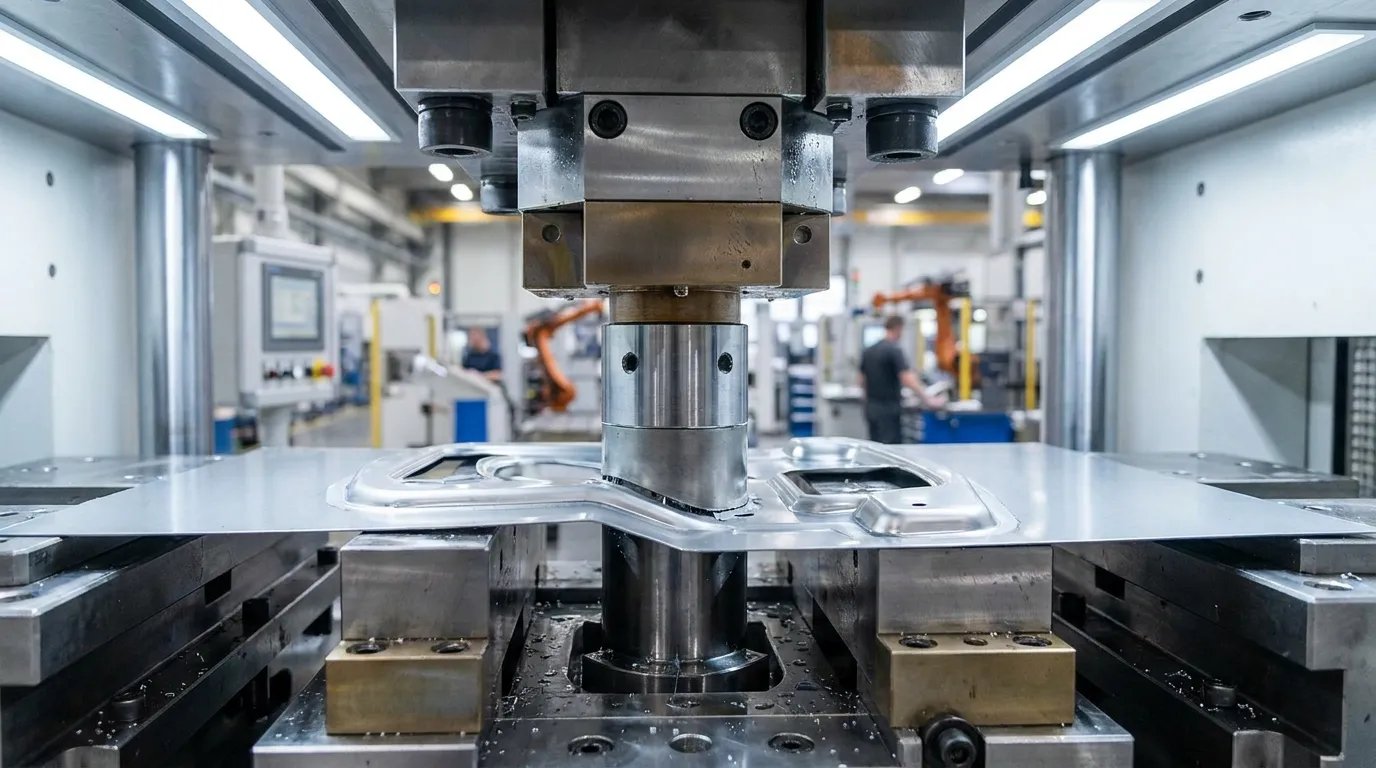
Punching dies are tooling systems used to cut, 形状, or form material through controlled force and precision alignment. The punch applies pressure while the die receives and shapes the material, allowing consistent high-volume production in stamping and forming operations.
A punching die system includes two core components: the punch and the die. The punch presses into the material, while the die supports the material and controls the final shape. This process is common in sheet metal stamping, 自動車部品製造, 電子機器生産, and appliance components.
The accuracy of the tooling directly affects edge quality, バー形成, および再現性. Even small alignment issues can create uneven cuts or excessive wear. That’s why manufacturers focus heavily on machining precision, 熱処理, and clearance control during production.
産業用工具システムのより広い概要が必要な購入者は、このレビューを参考にできます 金型部品ガイド 工具の基本について説明しているとともに ダイコンポーネントの基本.
パンチやダイに関する業界用語は明確に説明されています。 MISUMIのパンチ&ダイの用語ガイド.
Which types of punching dies are used in manufacturing?
Progressive dies support high-volume automated production, while compound dies combine multiple cutting operations in one stroke. The best choice depends on production speed, 複雑性, material thickness, そして精度が求められました.
Different punching die designs are built for different manufacturing goals. A low-volume fabrication shop may prioritize lower tooling cost and easier maintenance. A high-speed automotive supplier usually focuses on cycle time, 一貫性, 耐摩耗性.
| タイプ | 最適な利用法 | 主な利点 | 制限 |
|---|---|---|---|
| プログレッシブ・ダイ | 大量生産 | 高速自動処理 | より高い工具の複雑さ |
| コンパウンドダイ | 複数切断作業 | 一行程で高精度 | 複雑な成形には柔軟性が低い |
| ブランキングダイス | フラットパーツ切断 | クリーンブランク生産 | 成形能力の制限 |
| ダイの形成 | 曲げと成形 | ハンドルは構成部品を形成しました | さらにセットアップのバリエーション |
プログレッシブダイとコンパウンドパンチングダイの比較
Progressive dies move material through several stations in sequence. Each station performs a separate operation, which improves production speed for large manufacturing runs. These dies are common in automotive and electronics manufacturing.
Compound dies perform multiple cutting operations at the same station during one press stroke. They’re often used when part accuracy matters more than production speed. 次の通りです 三隅の複合ダイの参照, compound tooling structures are commonly paired with hardened tool steels such as SKD11.
For buyers comparing broader tooling categories, 工具システム provides additional manufacturing context.
What materials are best for punching dies?
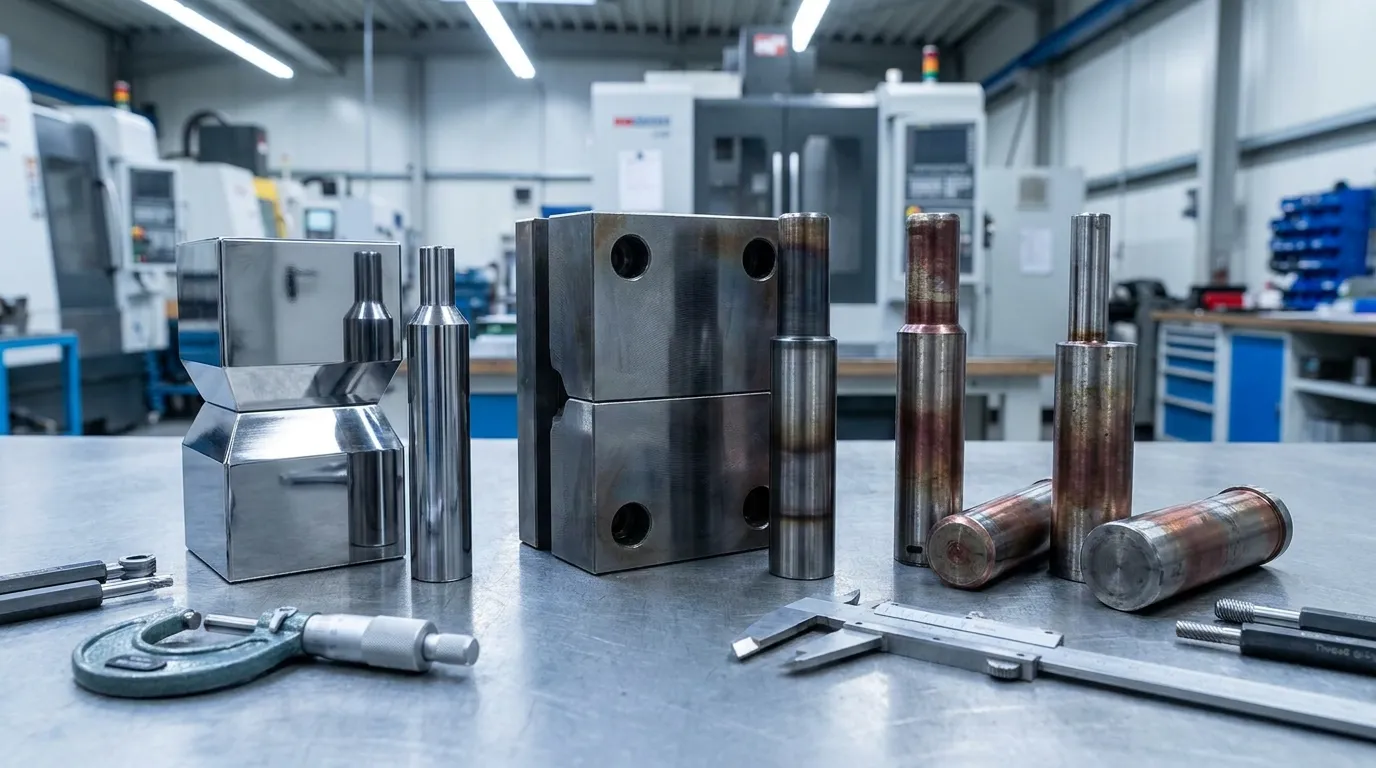
Tool steel punching dies balance durability and cost for many industrial applications, while carbide dies offer superior wear resistance for high-volume production. Material choice should match production cycles, sheet material hardness, およびメンテナンスの期待事項.
Tool material affects wear resistance, sharpening frequency, edge quality, and overall operating cost. Buyers should match material selection to actual production conditions instead of assuming the hardest material is always the best choice.
Carbide punching dies are not always the best option. They last longer in high-volume production, but tool steel is often easier and cheaper to maintain for shorter production runs or moderate workloads.
パンチングダイ材料選択表
| 素材 | 耐摩耗性 | コストレベル | 最優秀制作量 | メンテナンス頻度 |
|---|---|---|---|---|
| D2ツールスチール | ミディアム・ハイ | メディア | 中規模のラン | 中程度 |
| SKD11 | ハイ | ミディアム・ハイ | 精密プレス | 中程度 |
| Carbide | とても高い | ハイ | 大量生産 | 低め |
| 高速鋼 | メディア | メディア | 一般的な工業利用 | 中程度 |
A factory producing thin stainless steel brackets for automotive use may benefit from carbide tooling because downtime costs are high. 対照的に, a smaller fabrication company producing limited batches may save money with tool steel dies that are easier to sharpen and replace.
カーバイドが高コストに見合う場合
Carbide becomes more practical when production volumes are high and materials are abrasive. It performs well with stainless steel, electrical steel, and other harder materials that increase wear rates.
Extremely tight tolerance claims are not automatically better. Over-specifying tolerances can raise tooling costs without improving production quality. Buyers should request tolerances that match the actual application and production environment.
製造者は、金型、材料、部品を比較する際にもレビューできます 精密金型材料 for additional component references.
Why do punch and die tolerances matter?
Punch and die tolerances directly affect cut quality, バー形成, 工具の摩耗, そして生産の一貫性. Proper clearance helps maintain cleaner edges and longer tooling life while reducing scrap and maintenance costs.
Tolerance control determines how accurately the punch and die interact during production. Poor clearance settings can create rough edges, excessive burrs, or premature chipping. 時間をかけて, these issues increase scrap rates and maintenance costs.
Punch and die clearance refers to the gap between the cutting edges during operation. 次の通りです 三隅のクリアランスガイド, proper clearance improves cutting performance and extends tooling life.
What is punch and die clearance?
Clearance settings vary based on material thickness and hardness. Thin aluminum sheets need different clearance than thick stainless steel plates. Buyers should confirm that suppliers understand the target material before approving production drawings.
A practical example is burr reduction in thin sheet production. One manufacturer reduced secondary finishing work after adjusting clearance for thinner stainless steel stock. Cleaner edges reduced polishing time and improved consistency across production batches.
許容範囲と品質チェックリスト
- クリアランスを定義する前に材料の厚さを確認してください
- 公差レベルを実際の適用ニーズに合わせる
- EDMおよびCNC加工能力の検証
- 重要な寸法の検査報告書を要求してください
- 研ぎとメンテナンス手順の復習
Maintenance planning also matters because worn tooling can slowly change clearance values over time. Buyers sourcing long-term replacement components can review 交換用金型部品 for ongoing tooling support.
How do you choose the right punching die supplier?
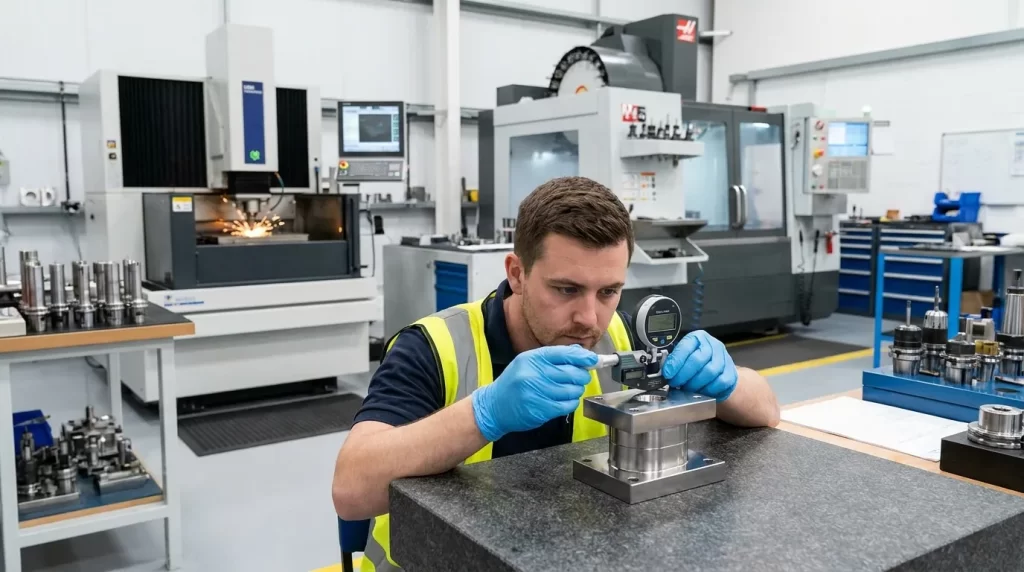
A reliable punching die supplier should provide verified material specifications, machining capabilities, tolerance controls, and quality inspection procedures. Buyers should also confirm lead times, production capacity, and experience with similar applications.
Supplier selection affects more than price. Weak machining standards or inconsistent inspection procedures can increase scrap, ダウンタイム, and replacement costs long after delivery.
The cheapest overseas punching die supplier can create higher long-term costs if documentation, clearance control, or quality inspection standards are inconsistent. Buyers should compare supplier capability, not just quotation pricing.
パンチングダイサプライヤー評価チェックリスト
| 評価エリア | 確認すべきこと |
|---|---|
| CNCの能力 | 精密加工能力 |
| ワイヤーEDM機能 | 精密切削精度 |
| 材料認証 | 検証済みの鋼またはカーバイド等級 |
| 品質管理文書化 | 検査報告書と公差 |
| リードタイムの信頼性 | 現実的な制作スケジュール |
| 輸出支援 | 包装および配送の調整 |
A strong supplier should also understand the buyer’s industry requirements. An automotive stamping supplier may need different tolerances than an appliance manufacturer or electronics producer.
If you’re evaluating broader tooling manufacturing experience, 金型製造の専門知識 provides additional context about industrial die production capabilities.
What should buyers include in a punching die RFQ?
A detailed RFQ helps suppliers quote accurately and reduces production misunderstandings. Missing technical details often lead to delayed revisions, incorrect tolerances, or tooling redesigns after production begins.
An effective punching die RFQ should include:
- CAD図面または3Dファイル
- 材料仕様
- 必要な公差
- 生産台数推定
- 表面仕上げの期待
- 目標リードタイム
- 関連する場合は、機械の情報を押してください
A common sourcing mistake happens when buyers provide drawings without tolerance details. One supplier may quote for standard machining tolerance, while another assumes ultra-precision requirements. That difference can change pricing and lead time significantly.
For projects involving custom tooling configurations, カスタムダイソリューション can help buyers compare available options before requesting quotations.
How can buyers reduce customs and shipping delays for punching dies?
誤ったHSコード, 未完全請求書, and missing compliance documents are common causes of customs delays for industrial tooling shipments. Buyers can reduce delays by confirming classification accuracy and documentation requirements before shipment.
International tooling shipments often move through multiple customs checks before delivery. Even accurate tooling production can become a problem if shipping paperwork is incomplete or incorrectly classified.
次の通りです FreightAmigoのHSコード参照, industrial tooling classifications must match the actual product category and intended use. Documentation errors are also identified as a common cause of customs delays in EximAgentの税関遅延ガイド.
税関遅延防止チェックリスト
- 発送前にHSコードの分類を確認してください
- 請求書には詳細な製品説明を記載してください
- 出身国の書類を含める
- 梱包が出荷書類と一致しているか確認してください
- 貨物パートナーと輸入要件を確認する
- サプライヤーと税関の通信記録を保管してください
One imported tooling shipment experienced delays because the invoice described the product only as “metal tooling.” Customs officers requested additional classification details, which delayed delivery and production scheduling. A more detailed invoice could have prevented the issue.
What maintenance practices extend punching die lifespan?
Regular maintenance reduces wear, 一貫性の向上, and protects tooling accuracy over time. Even high-quality dies lose performance when sharpening schedules and inspections are ignored.
A preventive maintenance approach usually costs less than replacing damaged tooling unexpectedly. Buyers should confirm that maintenance procedures are realistic for their production environment before selecting tooling materials.
パンチングダイメンテナンスチェックリスト
- 切削刃を定期的に点検しましょう
- 生産中のバリ形成をモニター
- 予定された研ぎ時間に従ってください
- Store tooling in dry, protected conditions
- メンテナンス中にアライメントとクリアランスをチェック
- 摩耗したガイド部品は速やかに交換してください
A small production facility using tool steel dies may sharpen tooling more often but spend less on replacement costs overall. High-volume manufacturers often accept higher carbide tooling costs because fewer production stoppages offset the investment.
長期メンテナンススケジュールを計画するメーカーは、以下を探ることができます 工具メンテナンス部品 for replacement component support.
次のステップを正しく進める
The best punching dies are the ones that match your production reality. Material hardness, 生産量, 許容差要件, and supplier capability all affect long-term performance and operating cost.
Before placing an order, confirm machining standards, 検査手順, material certification, and shipping documentation requirements. A lower upfront price does not always mean lower production cost over time.
If your team is comparing broader tooling systems or manufacturing applications, reviewing an 射出成形の応用 resource can also help connect punching die selection with larger production planning decisions.
よくある質問
パンチとダイの違いは何ですか??
A punch applies force while the die shapes and supports the material. Both components work together to create accurate cuts, 穴, or formed shapes during stamping and punching operations.
What materials are commonly used for punching dies?
Tool steel and carbide are the most common punching die materials. Tool steel balances durability and cost, while carbide performs better in high-volume or high-wear manufacturing environments.
What is punch and die clearance?
Punch and die clearance is the controlled gap between cutting components. Proper clearance improves edge quality, reduces burr formation, and helps extend tooling lifespan during production.
Which punching die type is best for high-volume production?
Progressive dies are widely used for high-volume production. They perform multiple operations in sequence, which improves speed, 一貫性, and automation efficiency in large manufacturing runs.
What causes punching dies to wear out quickly?
Incorrect clearance and poor maintenance are major causes of punching die wear. Excessive production load, improper material selection, and delayed sharpening schedules can also shorten tooling lifespan.
What documents help avoid customs delays for industrial tooling?
Accurate shipping and classification documents help reduce customs delays. Commercial invoices, HS codes, and origin documentation should all match the actual tooling being imported.



サンシャインより書かれました
サンシャインで, 私たちは精密金型部品の専門製造およびサプライヤーです, プレスおよび射出成形用途向けの幅広い製品を提供しています. 私たちの主な焦点はパンチダイスです, イジェクターピンとスリーブ, ガイドポストとブッシング. 高度なCNC加工技術で, 厳格な品質管理, そして強力な生産能力, 私たちは信頼性を保証しています, 高精度部品, また、迅速かつ効率的なグローバル供給のための在庫の標準部品も併用しています.
ニュース
サービスを受けましょう
あらゆる予算に合った高品質な部品と、親切なスタッフが訓練されていて、訪問を有益で手間なく充実させてくれます.
