



Custom Injection Mold: What Buyers Should Prepare Before Quotation
A custom injection mold quotation moves faster when buyers prepare complete technical and production information before contacting suppliers. A strong RFQ package should include 3D CAD files, 2D drawings, 樹脂仕様, 許容差要件, 表面仕上げの期待, 年間生産量, and delivery timelines. Missing details often create quotation delays, 工具の改訂, and inaccurate pricing.
A mold quotation is not just about getting a price. Suppliers use your RFQ package to evaluate tooling design, machining complexity, mold lifespan, and production feasibility. If important details are missing, the quotation process slows down quickly. Buyers who prepare the right files and specifications upfront usually get faster responses, fewer revisions, and more accurate tooling recommendations.
What information does a supplier need before quoting a custom injection mold?
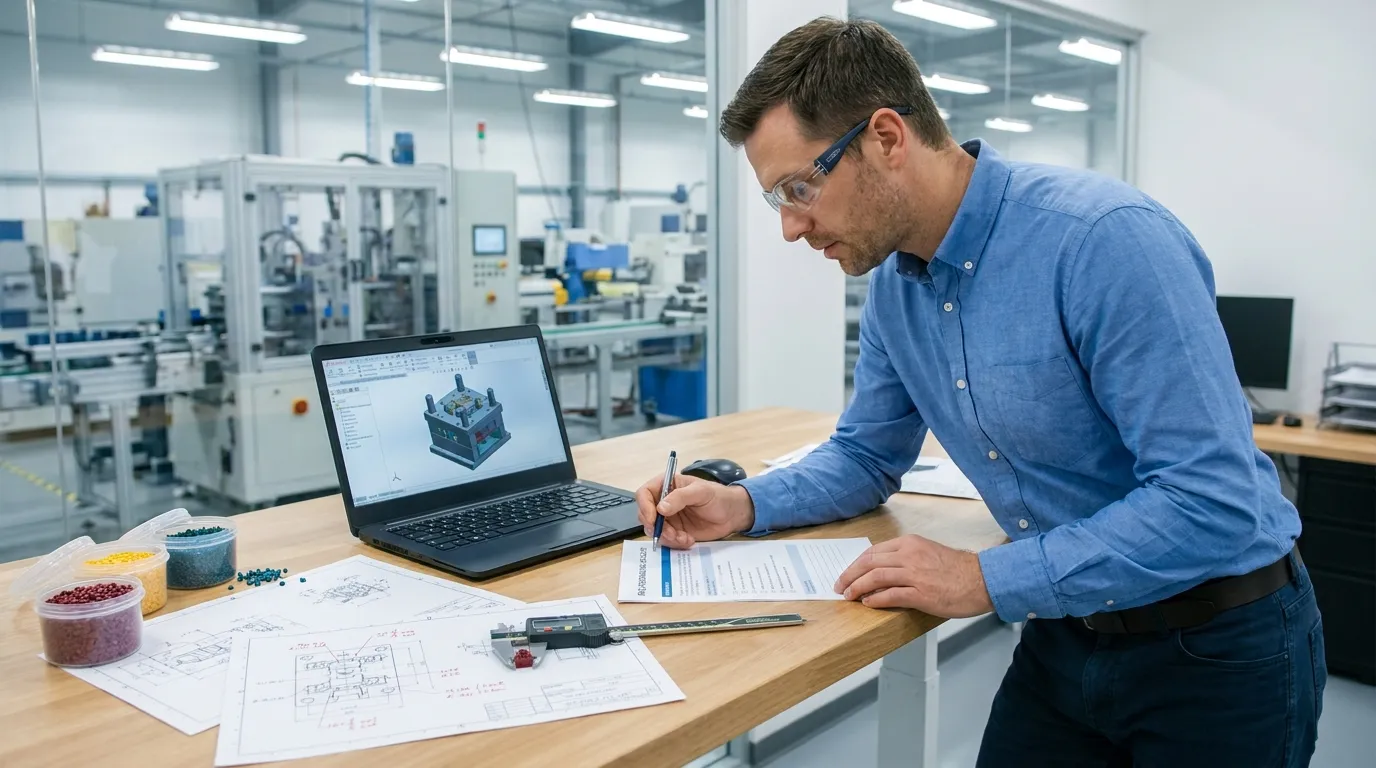
A custom injection mold quotation is only accurate when suppliers receive complete technical and production details. CAD files, 樹脂選抜, 公差, 表面仕上げの期待, and annual production volume directly affect tooling design, リードタイム, and mold cost.
Most suppliers need enough information to evaluate manufacturability before they can quote tooling. That usually starts with a 3D CAD model, production expectations, および材料要件. If any of those pieces are unclear, engineering teams often need multiple clarification rounds before pricing can begin.
A complete RFQ package should include:
- 3D CADファイル
- 2D技術図面
- 材料グレードまたは樹脂仕様
- 年間生産量
- 表面仕上げの要件
- 公差の注意事項
- アセンブリの参考文献
- パッケージングまたはコンプライアンス要件
- 予想されるプロジェクトスケジュール
Many buyers focus only on the part geometry. That creates problems later because tooling decisions also depend on production volume, 樹脂挙動, 外観基準, and expected mold lifespan.
例えば, a mold designed for 5,000 parts per year may use very different tooling materials than a mold expected to run 500,000 cycles annually. If you are still learning broader tooling terminology, これだ 型の部品ガイド explains the core mold structures and systems suppliers evaluate during quotation.
RFQ準備チェックリスト
| RFQ項目 | なぜ重要なのか |
|---|---|
| 3D CADファイル | 工具のレビューと製造可能性分析を可能にします |
| 2D図面 | 寸法と公差を定義します |
| 樹脂仕様 | 収縮への影響, gate design, and tooling steel |
| 生産台数 | カビの耐久性要件を決定する |
| 表面仕上げ | 研磨および加工時間への影響 |
| タイムラインの期待 | サプライヤーが工具容量をスケジュールするのを支援します |
| コンプライアンス要件 | 試験や認証の必要性を特定する |
| パッケージノート | 下流生産計画の支援 |
Need help evaluating production methods before RFQ submission? カスタム成形ソリューション can help clarify common tooling and manufacturing options.
Which drawings and files should buyers prepare before requesting a quote?
Suppliers can quote faster when buyers provide editable 3D CAD files together with 2D tolerance drawings. Missing dimensions, unclear revisions, or screenshot-only submissions usually create multiple clarification rounds before pricing can begin.
A STEP or IGES file is usually the starting point for any serious quotation request. These formats allow tooling engineers to inspect wall thickness, ドラフト角, アンダーカット, and part geometry directly inside CAD software.
Rendered images or screenshots are rarely enough. One common problem happens when startups submit only visual product mockups without engineering files. Suppliers can see the appearance, but they cannot evaluate mold complexity or manufacturability accurately.
推奨CADフォーマット
| ファイルタイプ | 目的 |
|---|---|
| STEP (.step/.stp) | 標準的な3D製造交換ファイル |
| IGES (.igs) | 代替編集可能なCADフォーマット |
| ネイティブCADファイル | リビジョン追跡に役立ちます |
| PDF図面 | 次元レビューのサポート |
| アセンブリファイル | ショーは複数のパートにまたがる |
2D図面に何が描かれるべきか
2D drawings help suppliers identify dimensions that matter most during tooling and inspection. 彼らなしで, engineers often make assumptions that create quotation revisions later.
Your drawings should include:
- 重要な寸法
- 許容ゾーン
- 表面仕上げの指示
- スレッド仕様
- 重要な注記
- 改訂番号
- アセンブリの参考文献
Tight tolerances should only appear where they are functionally necessary. Many buyers apply precision tolerances across every dimension, even when only a few surfaces require strict control. That increases tooling complexity and machining time without improving product performance.
If you want a broader overview of how tooling moves from design to production, これだ 型製造工程 explains the major manufacturing stages.
How detailed should material specifications be?
Resin names alone are not enough for accurate mold quotations. Suppliers usually need the exact material grade, performance requirements, additives, and compliance standards to recommend proper tooling steel, gate design, and processing conditions.
Many RFQs simply say “ABS” or “polypropylene.” That creates uncertainty because resin behavior changes significantly between grades, additives, and suppliers. Flame-retardant materials, glass-filled resins, UV stabilizers, and food-grade requirements all affect tooling recommendations.
A consumer electronics company might initially request standard ABS, then later switch to flame-retardant PC/ABS after quotation. That single change can affect shrinkage assumptions, processing temperatures, and tooling wear expectations.
よくある欠落資料の詳細
| 欠落した詳細 | なぜ問題を引き起こすのか |
|---|---|
| 正確な樹脂グレード | グレードによって処理の方法が異なります |
| 炎の性能 | 代替の金型設計が必要になる場合もあります |
| 紫外線耐性 | 材料選択の変更 |
| 食品グレードのコンプライアンス | インパクト認証要件 |
| 色の要件 | 外観検査への影響 |
| ガラス入りの内容 | 金型の摩耗増加 |
Material uncertainty also affects mold steel selection. Hardened steel tooling may be recommended for abrasive glass-filled materials, while softer tooling materials can work well for simpler resin systems.
Aluminum tooling is not automatically a low-quality option. It works well for prototypes and lower-volume production when speed matters more than maximum mold lifespan. Buyers sometimes overspend on hardened steel tooling before confirming actual production demand.
If you are comparing suppliers and molding capabilities, 射出成形の能力 can help explain how manufacturers evaluate material and tooling compatibility.
Why do tolerances and surface finish requirements affect mold pricing?
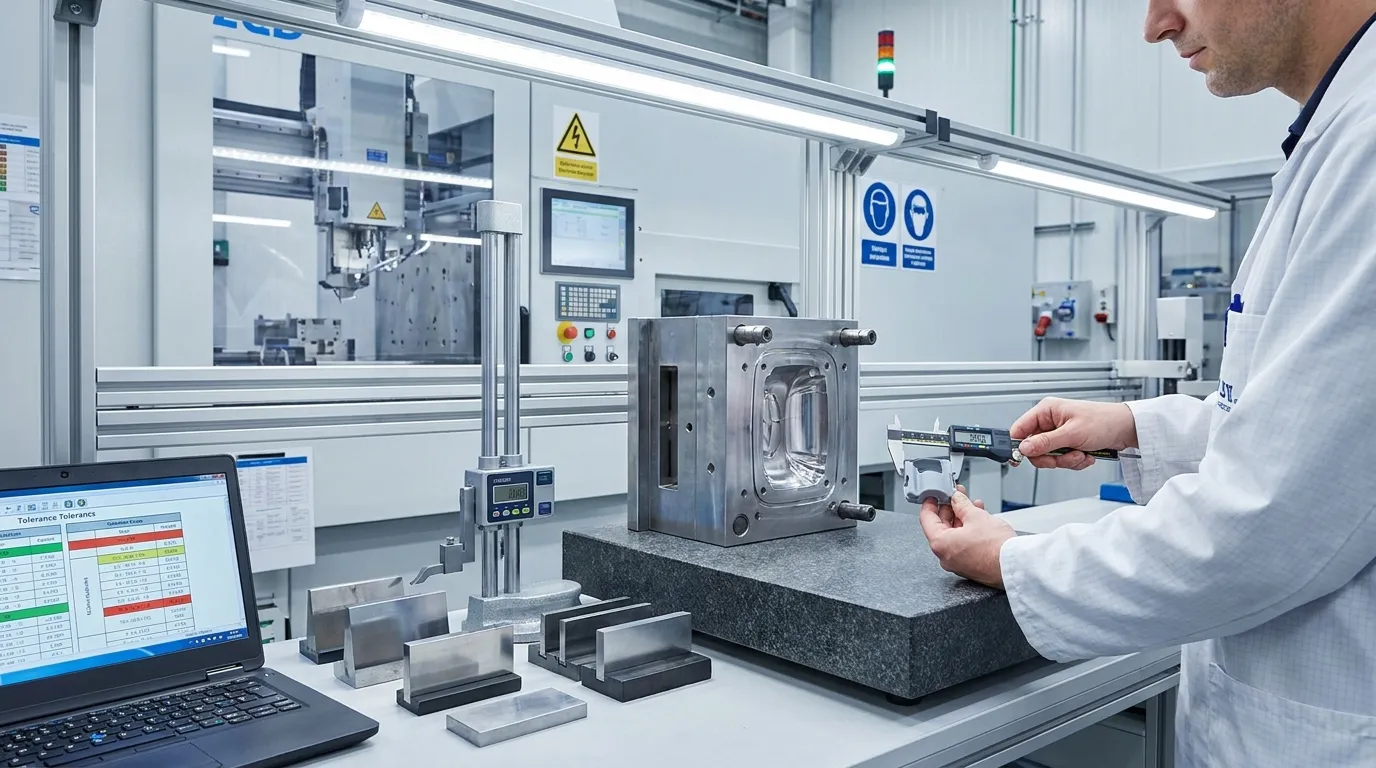
Tight tolerances and cosmetic surface requirements increase mold complexity, 加工時間, inspection steps, and maintenance expectations. Even small tolerance changes can significantly affect tooling cost and lead time.
Suppliers evaluate tolerance requirements early because they directly affect machining strategy and quality control planning. Precision dimensions may require slower machining, additional inspection equipment, or secondary tooling adjustments.
The same thing happens with cosmetic requirements. A high-gloss consumer housing usually needs more polishing and surface preparation than an industrial enclosure with a textured finish.
| 要件 | 工具の影響 |
|---|---|
| 厳密な次元公差 | 加工精度の向上 |
| ミラーポリッシュ仕上げ | 研磨作業の増加 |
| 細かいテクスチャー仕上げ | 追加の金型処理 |
| 外観の表面 | 検査時間が長くなる |
| 薄壁幾何学 | プロセス感度の向上 |
Not every dimension needs ultra-tight tolerance control. Automotive buyers sometimes request ±0.02 mm tolerance across every feature, even though only a few assembly points require precision. That increases tooling cost quickly.
If your product needs highly controlled dimensions or cosmetic quality, working with a 精密金型製造会社 can help reduce long-term production issues.
How does production volume change mold recommendations?
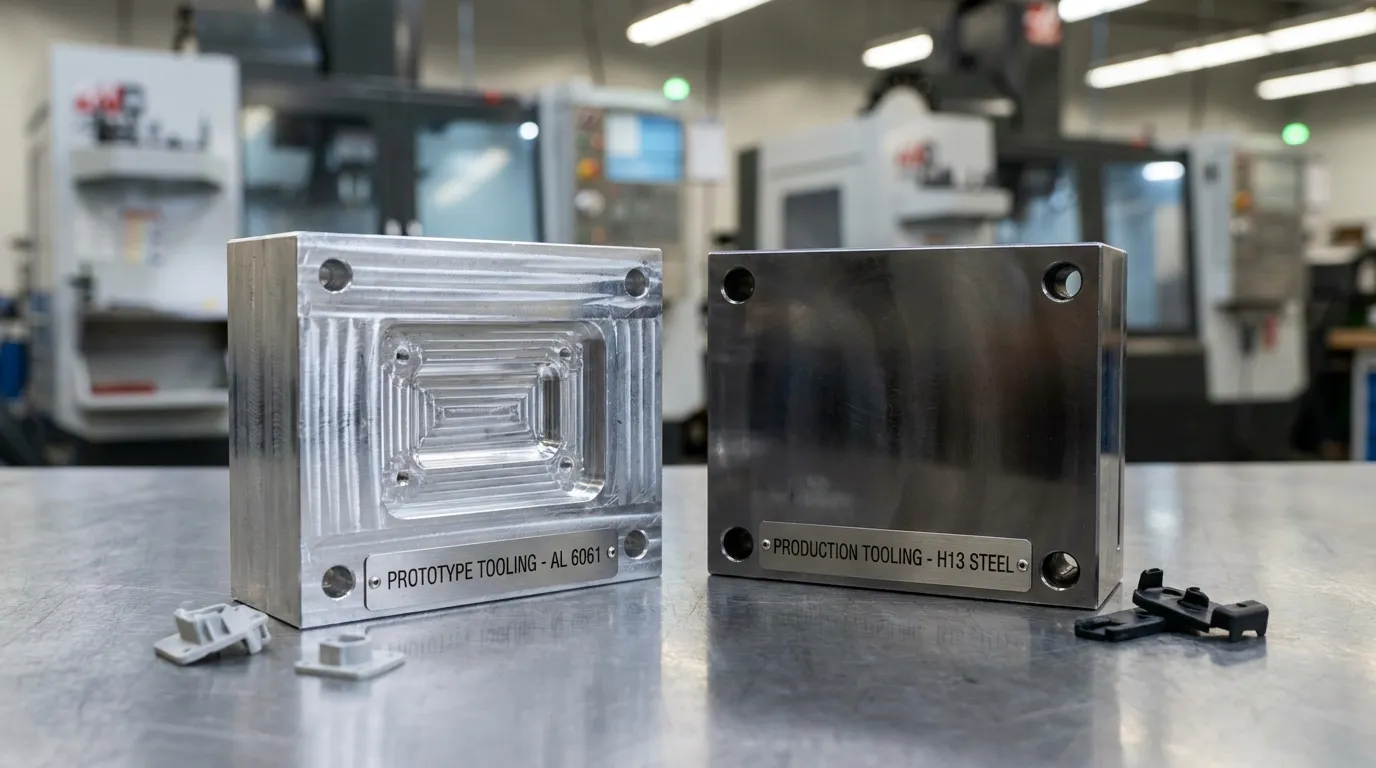
Production volume directly affects tooling strategy. Low-volume projects may justify aluminum prototype molds, while long production runs often require hardened steel tooling, additional cavities, and stronger wear resistance.
Suppliers ask about annual production volume because mold lifespan expectations change tooling design decisions immediately. A prototype tool built for 3,000 parts is very different from a production tool expected to run hundreds of thousands of cycles.
Low-volume buyers sometimes assume steel tooling is always the safest option. それは必ずしも正しいわけではありません. For shorter production runs, aluminum tooling may reduce lead time and upfront tooling cost without creating performance problems.
アルミニウムと鋼製の工具
| 工具の種類 | ベスト・フォー | 典型的な寿命 | 相対コスト |
|---|---|---|---|
| アルミニウム金型 | 試作機と低生産量 | 低周期寿命 | 初期費用の低減 |
| 事前硬化鋼 | ミッドボリューム生産 | 中周期寿命 | 中程度のコスト |
| 硬化鋼 | 長期生産期間 | ハイサイクルライフ | 初期費用が高い |
プロトタイプと生産型の工具比較
| 生産量 | 推奨工具 | 典型的な空洞 | リードタイム | 最適なユースケース |
|---|---|---|---|---|
| Under 5,000 部隊 | アルミニウム試作型 | シングルキャビティ | もっと速く | 製品試験 |
| 5,000 to 100,000 部隊 | 事前硬化鋼 | 単一または二重キャビティ | 中程度 | 安定した商業生産 |
| 100人以上,000 部隊 | 硬化鋼 | マルチキャビティ | もっと長く | 長期量産 |
Production forecasts also affect cavity count decisions. Higher-volume parts may justify multi-cavity tooling to reduce cycle time and improve manufacturing efficiency.
Trade conditions can also influence sourcing decisions. Some manufacturers adjusted tooling strategies during recent tariff changes and supply chain disruptions, according to アドバンテック・プラスチックス.
If you are evaluating different tooling approaches, カスタム金型金型 explains how manufacturers match tooling strategy to production goals.
What causes quotation delays for custom injection molds?
Most quotation delays happen because suppliers must clarify missing technical details before tooling evaluation can begin. 未完成の図面, undefined materials, and unclear production targets typically slow both pricing and manufacturability review.
One of the biggest causes of delay is incomplete RFQ documentation. Suppliers cannot evaluate tooling risk accurately when key information is missing. That usually leads to engineering questions, revised assumptions, and multiple quotation updates.
Common RFQ problems include:
- 欠落しているCADリビジョン
- 未定義の樹脂グレード
- 年間の体積推定はありません
- 不明確な許容差の呼び出し
- アセンブリ参照の欠落
- 不完全なコンプライアンスノート
- 不確実な輸送要件
A common example involves overseas mold shipment planning. Buyers sometimes finalize tooling without preparing proper customs documentation or mold classification details. 次の通りです アメリカ合衆国. 税関・国境警備, customs review and import documentation accuracy can affect shipment processing times.
Mold classification details can also affect customs handling and HS code processing, as explained by フレイトアミーゴ.
Design revisions after steel cutting create another major delay risk. Once tooling manufacturing starts, geometry changes often increase machining time and project cost. ユリテック・エンジニアリング・ソリューションズ notes that post-approval changes can extend tooling schedules significantly.
If you want better visibility into tooling stages before sending your RFQ, これだ 型製造ワークフロー explains how suppliers move from design review into production.
What should buyers confirm before sending the RFQ package?
Before contacting suppliers, buyers should review the RFQ package one final time. Small missing details often create avoidable delays during engineering review.
Use this checklist before submission:
- 最新のCAD版が添付されているか確認してください
- すべての寸法と公差の注意事項を確認してください
- 樹脂グレードおよびコンプライアンス要件を最終決定する
- 年間生産量の期待値を定義してください
- 外観の要件を指定してください
- 複数の部品が相互作用する場合はアセンブリ参照を含める
- 必要に応じて包装やラベルの要件を追加してください
- 目標の納入スケジュールを確認する
Material selection should be finalized before requesting production quotations whenever possible. Resin uncertainty creates tooling revisions later because shrinkage, 耐摩耗性, and processing assumptions may change.
Buyers should also avoid over-specifying tolerances. Tight dimensions should only apply where they affect product fit or function. Excessive precision requirements often increase tooling cost without improving the final product.
If you are preparing to compare manufacturers or move toward supplier selection, 射出成形パートナー provides a broader look at production support and manufacturing capabilities.
次のステップを正しく進める
A strong RFQ package makes the custom injection mold quotation process faster and more accurate. Suppliers can evaluate tooling complexity, 物質的挙動, and production requirements much more efficiently when technical details are complete from the start.
Before requesting pricing, review your CAD files, 樹脂仕様, production forecasts, and tolerance requirements carefully. Small gaps in the RFQ stage often create bigger delays later during tooling approval and production planning.
目的はシンプルです: reduce revisions, avoid assumptions, and give suppliers enough information to quote the right tooling solution the first time.
よくある質問
How long does it take to build a custom injection mold?
単純な型は数週間かかることもあります, while complex production molds can require several months depending on cavity count, 公差, および検証要件. Design revisions after tooling begins usually extend lead time further.
Which plastic should I use for my application?
The correct plastic depends on strength, 耐熱性, 化学物質曝露, 外観の要件, 規制上の必要性. Suppliers usually recommend materials after reviewing the part design and product environment.
工具はアルミニウム製か鋼製か?
Aluminum tooling works well for low-volume projects and prototype production, while steel tooling is better for long production runs and higher durability requirements. Production volume usually determines the best option.
What determines injection mold cost?
Injection mold cost depends on tooling complexity, キャビティカウント, 許容差要件, 表面仕上げの期待, 生産量. Incomplete RFQ information can also increase engineering review time and quotation revisions.
What files should I send for a mold quotation?
Most suppliers request editable 3D CAD files such as STEP or IGES formats together with 2D technical drawings. Assembly references and material specifications also improve quotation accuracy.
Why do mold quotations get delayed?
Mold quotations are commonly delayed by incomplete technical information. Missing dimensions, undefined materials, unclear production targets, or late design revisions often force suppliers to pause engineering review and request clarification.



サンシャインより書かれました
サンシャインで, 私たちは精密金型部品の専門製造およびサプライヤーです, プレスおよび射出成形用途向けの幅広い製品を提供しています. 私たちの主な焦点はパンチダイスです, イジェクターピンとスリーブ, ガイドポストとブッシング. 高度なCNC加工技術で, 厳格な品質管理, そして強力な生産能力, 私たちは信頼性を保証しています, 高精度部品, また、迅速かつ効率的なグローバル供給のための在庫の標準部品も併用しています.
ニュース
サービスを受けましょう
あらゆる予算に合った高品質な部品と、親切なスタッフが訓練されていて、訪問を有益で手間なく充実させてくれます.
