



Custom Plastic Mold Manufacturers: How to Compare Cost, Quality, and Lead Time
Custom plastic mold manufacturers should be compared on more than tooling price alone. Buyers need to evaluate engineering support, mold quality, production readiness, lead time reliability, and export experience before approving a supplier. A low-cost mold can create expensive delays, 工具の改訂, scrap problems, and unstable production if the manufacturer lacks process control and long-term manufacturing support.
Choosing a mold manufacturer affects far more than the first invoice. A supplier with weak DFM support, poor communication, or unrealistic lead times can delay production for weeks and increase costs long after tooling ships. This guide explains how to compare suppliers properly, what warning signs to watch for, and how to avoid common sourcing mistakes before production starts.
How should buyers compare custom plastic mold manufacturers?
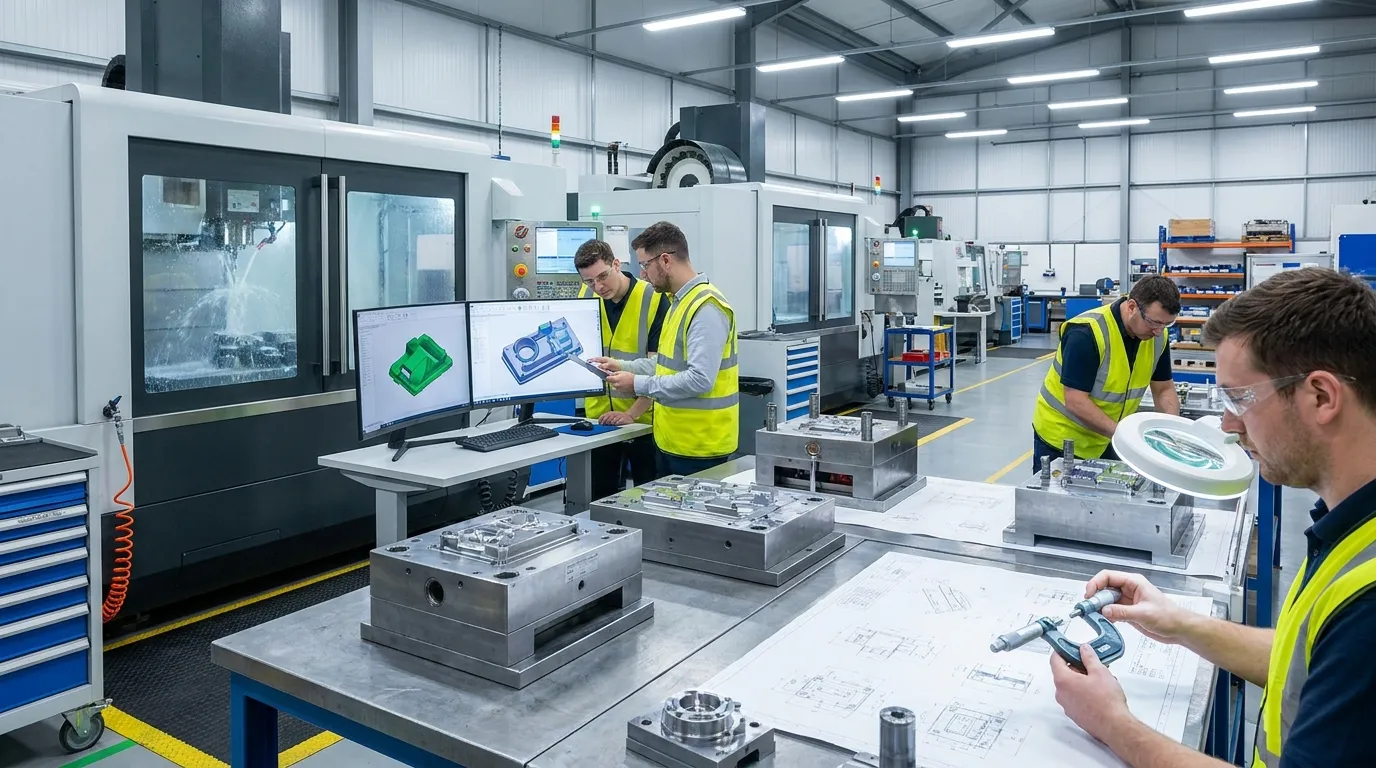
Custom plastic mold manufacturers should be compared on engineering support, tooling quality, production readiness, and delivery reliability. A cheaper supplier can create higher long-term costs through delays, 工具の改訂, or unstable production.
Most buyers compare suppliers by quoted mold cost first. That’s understandable, but it rarely gives the full picture. The better approach is to compare how each supplier supports the entire production process, from DFM review to sampling and long-term mold maintenance.
A supplier that communicates clearly and catches design issues early can reduce delays and scrap later. That matters far more than saving a small percentage on the initial tooling quote.
| 比較地域 | 低コストサプライヤー | 信頼できる制作パートナー |
|---|---|---|
| DFMサポート | 限定的または反応的 | 初期のエンジニアリングフィードバック |
| 品質管理プロセス | 基本検査 | 文書化されたQCシステム |
| リビジョン処理 | 一般的な追加料金 | 構造化された改訂プロセス |
| 通信 | 遅いか不安定な | 定期的な更新と追跡 |
| 生産準備 | 工具だけに集中しましょう | 生産拡大を支援 |
| 輸出経験 | 限定 | 輸送書類および物流を担当 |
Buyers should also review previous production experience, tooling validation procedures, and sampling methods before approving a supplier. If you’re evaluating multiple vendors, reviewing experienced 射出成形の供給業者 can help clarify what full-service manufacturing support should look like.
Why do mold quotes vary so much between suppliers?
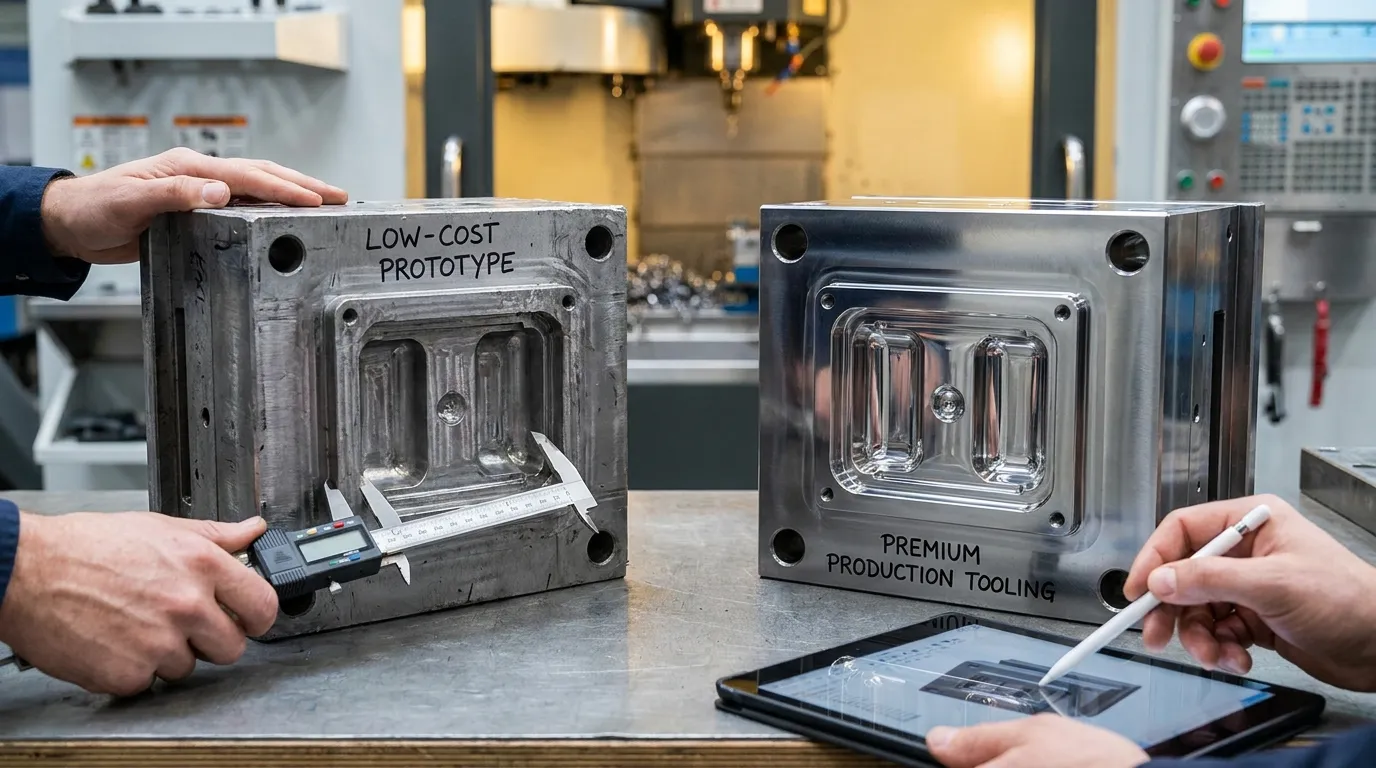
Mold pricing changes based on tooling steel, 複雑性, cavity count, engineering support, and production expectations. Low-cost quotes often exclude revision support, advanced QC, or process optimization that reduces manufacturing problems later.
Two suppliers can quote the same part at very different prices because they’re not building the same tooling package. One quote may include hardened steel, production validation, and multiple sampling rounds. Another may only cover basic mold construction with minimal engineering support.
That difference becomes expensive once production starts.
| コストドライバー | 低コストアプローチ | 高コストアプローチ |
|---|---|---|
| 鋳型鋼 | 柔らかい素材 | 硬化生産鋼 |
| 空洞 | シングルキャビティ | マルチキャビティ生産工具 |
| DFMレビュー | ミニマル | 詳細な製造可能性審査 |
| サンプリング | 限定的な試験 | 多段階検証 |
| 品質管理基準 | 基本的なチェック | 厳密な公差検査 |
| リビジョンサポート | 別途請求 | プロジェクト範囲に含まれる |
隠れたコストは買い手が見落としがちです
A low quote can become expensive if tooling revisions appear during sampling. One startup saved money by selecting a low-cost overseas mold supplier, but lost nearly three weeks after failed sampling required additional tooling adjustments. The supplier’s quote didn’t include revision support, so every change increased cost and delayed production.
Fast lead times can also hide risk. Some suppliers quote aggressive timelines without including design revisions, sampling approval, or customs clearance. That creates unrealistic expectations before production even begins.
If you’re comparing pricing structures, reviewing a detailed 型見積もりのプロセス can help you identify what should be included before approving tooling.
What separates a reliable production partner from a low-cost mold vendor?
Reliable mold manufacturers support the entire production lifecycle, including DFM review, tooling validation, quality control, and process optimization. Suppliers focused only on quoting tooling often create downstream production and delivery problems.
A mold vendor may build the tool successfully, but still struggle during production ramp-up. That’s where experienced manufacturing partners stand apart. They treat tooling as part of a larger production system, not as a standalone transaction.
Engineering communication is one of the clearest differences between suppliers. A manufacturer that asks detailed questions about resin selection, 壁の厚さ, 公差, and expected production volume is usually trying to prevent downstream problems before steel cutting starts.
信頼できる制作パートナーの兆候
- 工具承認前に詳細なDFMフィードバックを提供します
- 文書検査および品質管理手順
- 改訂方針を明確に説明しています
- サンプリングおよびプロセス最適化のサポート
- トラックリードタイムと生産のマイルストーン
- 型のメンテナンス計画と長期的な生産安定性
The cheapest mold quote is not always the lowest production cost. Suppliers that skip DFM review or process validation often create expensive tooling corrections later. Reviewing proven カスタム射出成形サービス can help buyers understand how engineering support affects long-term manufacturing performance.
For a broader technical overview of tooling structure and terminology, その 型の部品概要 explains the key parts that influence mold durability and performance.
What lead times should buyers realistically expect?
Most custom mold projects take several weeks to months from RFQ to production approval. 設計改訂, 工具の複雑さ, サンプリング, and customs clearance can significantly extend schedules beyond the original quoted lead time.
Many buyers underestimate how many stages exist between quoting and production approval. 工具設計, 機械加工, 集会, サンプリング, 改訂, and logistics all affect the final timeline.
Prototype tooling often moves faster because aluminum molds are easier to machine. Production tooling usually requires more validation and tighter QC standards.
| プロジェクトステージ | 典型的なタイムラインの影響 |
|---|---|
| DFMレビュー | 数日から2週間かかります |
| 工具設計 | 1〜3週間 |
| 金型製造 | 数週間 |
| サンプリングと検査 | 1〜2週間 |
| ツールの改良 | 可変 |
| 海運と税関 | 数日から数週間に及ぶ |
A buyer producing short-run parts may benefit from aluminum tooling instead of hardened steel. Aluminum molds reduce upfront cost and shorten machining time, making them useful for prototypes or limited production volumes. Hardened steel tooling is usually safer for larger production runs where durability matters more.
関税や関税がスケジュールを遅らせる方法について
Customs delays are often ignored during supplier selection. Incorrect HS codes, incomplete shipping documents, or tariff-related inspections can hold tooling shipments longer than expected. The Bangladesh customs authority provides updated guidance on clearance procedures through バングラデシュ税関 および 全国税関委員会.
Tariff pressure can also affect lead times if suppliers change production routes or shipping strategies. The plastics industry has continued monitoring tariff-related supply chain disruptions through プラスチック産業協会.
Which supplier questions reveal future production problems early?
The right questions can expose communication gaps, tooling risks, and production limitations before money is committed. Buyers should push suppliers to explain how they handle revisions, 検証, QC, and scheduling instead of accepting short sales answers.
A supplier that struggles to explain its process usually creates problems later. Clear answers often signal stronger production systems and engineering involvement.
サプライヤー評価チェックリスト
- Who owns the mold after production begins?
- What revision support is included in the quote?
- How are sampling failures handled?
- What QC documents are provided during production?
- How often will project updates be shared?
- What happens if lead times change?
- Can the supplier support production scaling later?
- What export and customs experience does the supplier have?
One common problem appears during mold testing. A supplier may quote tooling competitively, then charge additional engineering fees after sampling reveals shrinkage or tolerance issues. Asking about revision policy early helps avoid those surprises.
If you’re preparing supplier RFQs, using a structured 工具見積もりを依頼する process makes it easier to compare vendors consistently.
When is the cheapest mold supplier actually more expensive?
The cheapest mold supplier becomes expensive when tooling defects, unstable production, delayed revisions, or poor communication increase downtime and corrective costs. Buyers should evaluate total production risk, not only initial tooling price.
Low-cost tooling can work well in the right situation. 試作型, low-volume production, or simple part designs may not require premium tooling systems. Problems start when buyers expect high-volume production performance from suppliers focused only on minimizing upfront cost.
A supplier with stronger engineering communication is often safer than a supplier offering the absolute lowest tooling price.
隠れたコストシナリオ表
| シナリオ | 初期の節約 | 制作への影響 | 最終結果 |
|---|---|---|---|
| 低コストの工具鋼 | 前払い見積もりを下げる | より速い摩耗と再加工 | メンテナンスコストの高さ |
| 限定的なDFMレビュー | エンジニアリング料金の削減 | スクラップと許容の問題 | 生産のダウンタイムが増えました |
| 弱い改訂方針 | 安い初回見積もり | 高価な金型交換 | 打ち上げの遅延 |
| 輸出計画の不備 | 物流見積もりの減少 | 税関の遅延 | 配送遅延 |
| 最小限の品質管理 | 製造の高速化 | 欠陥率の高さ | スクラップコストの増加 |
One manufacturer reduced scrap rates significantly after a supplier performed DFM adjustments before steel cutting. Another buyer faced weeks of delay because tooling revisions started only after failed sampling. Those differences usually trace back to supplier engineering support, not machining capability alone.
経験したレビュー プラスチック成形メーカー can help buyers compare how different suppliers approach production quality and process stability.
How can buyers reduce customs, logistics, and tariff risk?
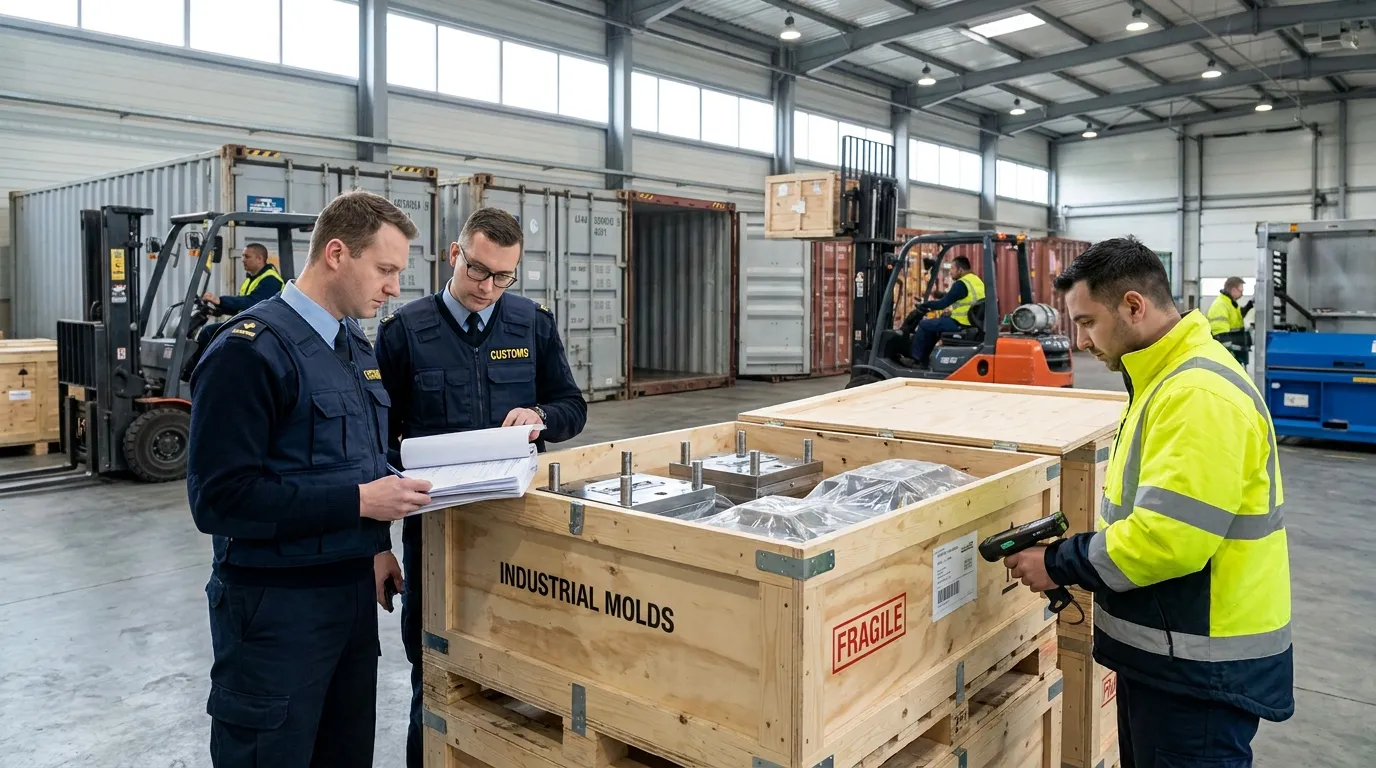
Customs delays often come from incorrect documentation, tariff classification issues, or incomplete shipment planning. Buyers should confirm HS codes, shipping terms, and export documentation before tooling ships internationally.
Logistics planning should start before tooling production begins. Buyers often focus on mold cost and lead time, but shipping paperwork can delay a project just as easily as machining problems.
Suppliers with export experience usually manage these issues more effectively because they understand customs documentation requirements and international shipping procedures.
税関および物流チェックリスト
- 発送前に正しいHSコードを必ず確認してください
- インコタームと配送責任の確認
- 税関書類は早めに確認しましょう
- 検査のためのスケジュールバッファ時間を追加
- 包装および輸出の遵守を確認する
- 関税関連の海運変動を追跡
A shipment can sit in customs for days if the documentation is incomplete or inconsistent. One buyer lost production time because tooling paperwork used incorrect product classification details, triggering additional customs review.
For broader tooling and production education, その 射出成形ガイド explains how manufacturing decisions affect production planning and tooling performance.
What should buyers do before approving a mold manufacturer?
Supplier approval should happen only after engineering capability, communication process, tooling ownership terms, and production support are verified clearly. A fast quote or low tooling cost should never replace a structured evaluation process.
The best manufacturers explain risks early instead of hiding them until production begins. That transparency usually saves time and money later.
最終サプライヤー承認チェックリスト
- DFMのフィードバックを慎重にレビューします
- 工具所有条件の確認
- 品質管理および検査手順の検証
- 現実的なリードタイム計画を求めましょう
- 改訂および保守方針のレビュー
- 輸出および物流の実績を確認する
- 生産スケーリング能力の確認
A supplier focused on long-term manufacturing support usually communicates differently from one focused only on winning the quote. That difference becomes obvious during engineering review, サンプリング, and revision discussions.
If you’re moving from supplier comparison into production planning, working with an experienced カスタム成形パートナー can simplify tooling validation and long-term production support.
次のステップを正しく進める
Choosing custom plastic mold manufacturers is really about reducing production risk. The right supplier should support tooling, サンプリング, 通信, logistics, and long-term manufacturing stability instead of focusing only on the lowest quote.
Before approving a manufacturer, compare how each supplier handles DFM review, revision management, QC systems, and delivery planning. Those areas often decide whether production runs smoothly or turns into a costly delay. A careful supplier evaluation process usually saves more money than chasing the cheapest tooling price.
よくある質問
How much does a plastic injection mold cost?
Plastic injection mold costs depend on part complexity, cavity count, tooling material, and expected production volume. Prototype molds usually cost less than hardened steel production tooling built for long manufacturing runs.
How long does it take to build a mold?
Most mold projects take several weeks to several months depending on tooling complexity, 改訂, サンプリング, and supplier capacity. Shipping and customs clearance can also extend delivery schedules.
What certifications should I look for in a mold manufacturer?
Buyers often look for ISO-based quality systems and documented inspection procedures. Certifications help, but suppliers also need strong engineering communication and production controls to support stable manufacturing.
Who owns the mold after it is built?
Mold ownership depends on the supplier agreement and tooling contract terms. Buyers should confirm ownership rights, maintenance responsibility, and mold transfer procedures before production approval. For international tooling agreements, ハリス・スリウォスキーの工具ガイド explains common legal concerns.
What causes injection molding project delays?
Common delays include tooling revisions, failed sampling, shipping disruptions, 税関検査, and poor communication. Unrealistic lead-time estimates can also create production scheduling problems later.
Should tooling be made from aluminum or steel?
Aluminum tooling works well for prototypes and short production runs because it reduces machining time and cost. Hardened steel molds are usually better for high-volume production where durability and long-term stability matter more.
共有:



サンシャインより書かれました
サンシャインで, 私たちは精密金型部品の専門製造およびサプライヤーです, プレスおよび射出成形用途向けの幅広い製品を提供しています. 私たちの主な焦点はパンチダイスです, イジェクターピンとスリーブ, ガイドポストとブッシング. 高度なCNC加工技術で, 厳格な品質管理, そして強力な生産能力, 私たちは信頼性を保証しています, 高精度部品, また、迅速かつ効率的なグローバル供給のための在庫の標準部品も併用しています.
ニュース
サービスを受けましょう
あらゆる予算に合った高品質な部品と、親切なスタッフが訓練されていて、訪問を有益で手間なく充実させてくれます.
