



プラスチック型の種類: 注入, Compression, 吹きかけて, そして適切な道具の選択
Plastic mold selection depends on product shape, 生産量, 許容差要件, and tooling budget. Injection molding is usually the best option for high-volume precision parts, blow molding works for hollow products, and compression molding fits selected thermoset applications. Buyers should compare tooling cost, scalability, リードタイム, and surface finish quality before choosing a mold process.
Choosing the wrong mold process can increase tooling costs, delay production, and create quality issues later. Many buyers focus only on upfront tooling price, but long-term scalability matters just as much. This guide compares injection, 圧縮, and blow molding in practical terms so you can match the right process to your product, budget, および生産目標.
What is a plastic mold and why does the mold type matter?
Plastic molds shape molten or heated material into repeatable parts, but the mold type directly affects production speed, tooling cost, 公差, そしてスケーラビリティ. Choosing the wrong mold process can increase defects, 遅延, and long-term manufacturing costs.
A plastic mold is a tooling system that forms raw material into a finished shape. Manufacturers use molds to produce consistent plastic parts across thousands or even millions of cycles. The mold determines dimensions, 表面仕上げ, 冷却挙動, そして生産効率.
Different mold types support different manufacturing goals. Injection molds are designed for high precision and repeatable output. Blow molds create hollow products such as bottles and containers. Compression molds work well for selected thermoset materials and thicker components.
For buyers planning long production runs, tooling decisions affect much more than the first shipment. Mold durability, メンテナンスの必要性, and cycle speed all influence long-term manufacturing cost. A low-cost mold that struggles with repeatability often creates expensive problems later.
If you need a deeper look at tooling structures and workflows, このガイドは プラスチック射出成形の基本 explains how injection mold systems are built and maintained.
What are the main types of plastic molds?
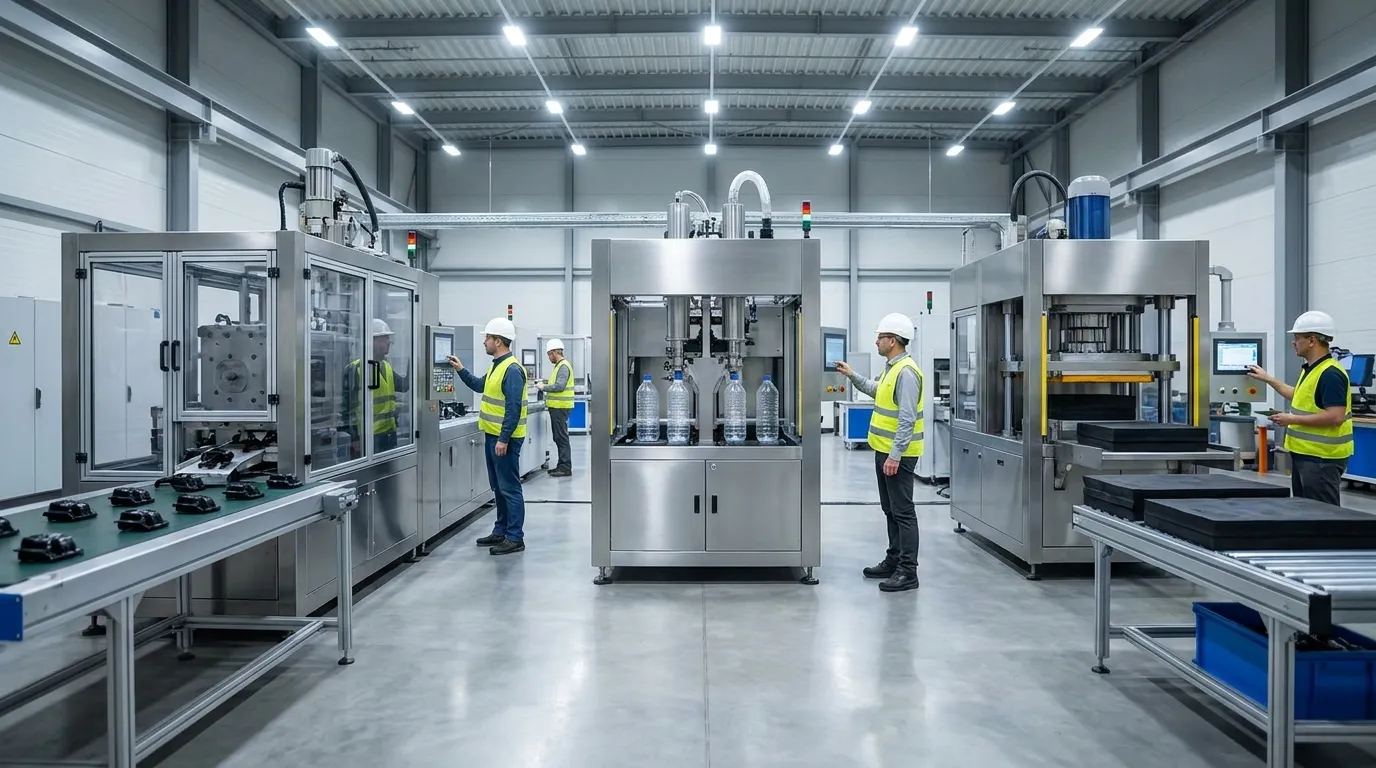
Injection molding is best for precise, high-volume parts, compression molding suits certain thermoset applications, and blow molding is designed for hollow products like bottles and containers. The right choice depends on geometry, volume, and tooling budget.
The three most common plastic molding processes are injection molding, compression molding, and blow molding. Each process uses different tooling methods and supports different product types.
| 型の種類 | ベスト・フォー | 一般的な製品 | 生産力 |
|---|---|---|---|
| 射出成形 | 詳細なプラスチック部品 | Electronics housings, 自動車用クリップ, 医療部品 | 高精度とスケーラビリティ |
| 圧縮成形 | 熱硬化性材料 | Electrical components, industrial parts | 工具の複雑さが低くなる |
| ブロウ成形 | 空洞生成物 | Bottles, コンテナ, tanks | 高速中空部品生産 |
射出成形
Injection molding forces molten plastic into a closed mold cavity under pressure. It works best for complex geometries, 厳密な公差, and high-volume production. Many consumer electronics, 自動車部品, and medical components rely on this process because it delivers consistent repeatability.
A consumer electronics startup producing 200,000 device housings per year will usually benefit from injection molding. The tooling cost is higher upfront, but per-part costs decrease as production volume increases.
For readers comparing tooling workflows in more detail, これだ 射出成形プロセスガイド 制作シーケンス全体をカバーしています.
圧縮成形
Compression molding uses heated material placed into an open mold cavity before pressure forms the final shape. This process is common with thermoset materials and certain industrial applications.
Compression molding still makes sense for some heavy-duty components. Many manufacturers default to injection molding discussions, but compression molding can reduce tooling complexity for lower-volume industrial products.
ブロウ成形
Blow molding forms hollow plastic products by inflating heated material inside a mold. It dominates packaging industries because it produces lightweight containers quickly and efficiently.
A beverage manufacturer producing PET bottles will almost always choose blow molding over injection molding. Hollow geometry is the deciding factor here, not just tooling price.
How does injection molding compare with compression and blow molding?
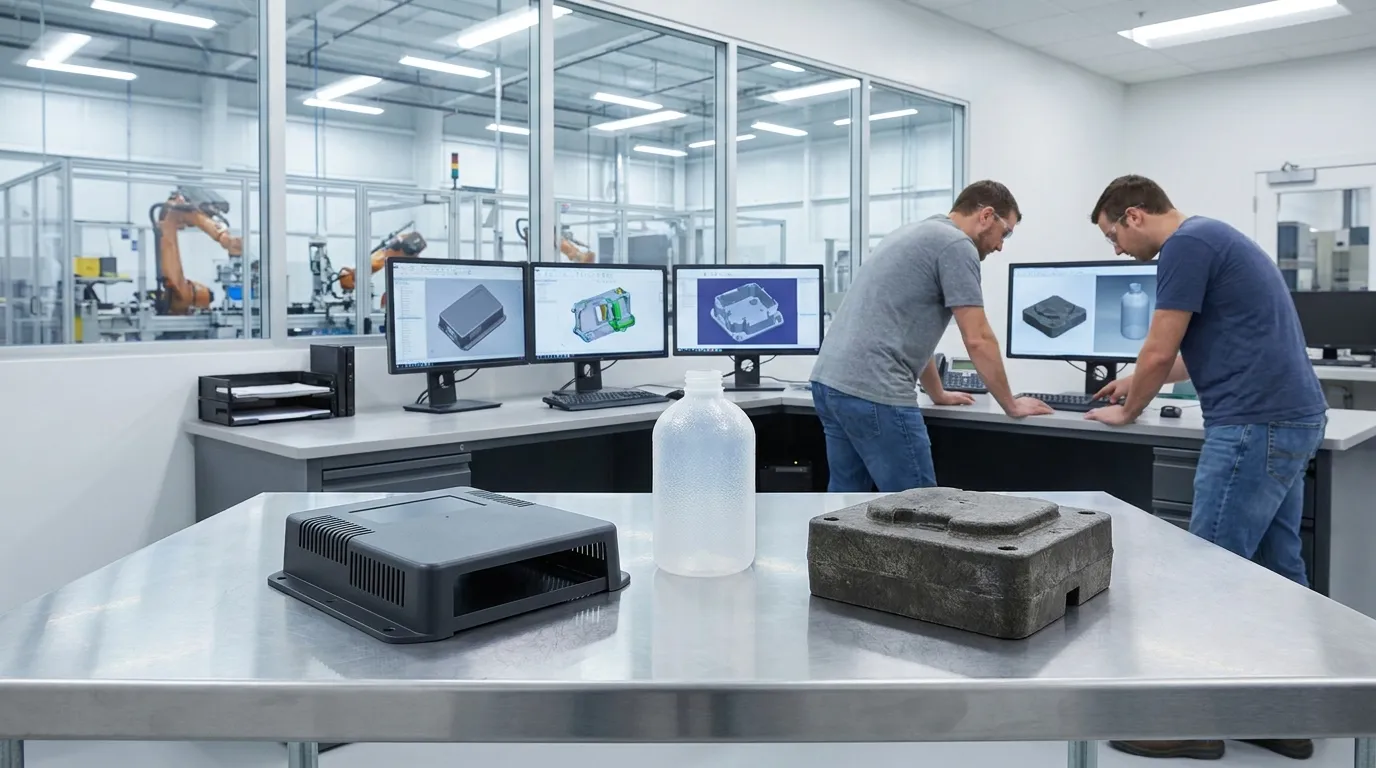
Injection molding usually delivers the best precision and scalability, while blow molding dominates hollow products and compression molding remains useful for selected thermoset or lower-complexity applications. The best process depends on product shape and production goals.
Many buyers compare molding processes based only on tooling cost. That creates problems later when production volume increases or part quality becomes more demanding. A better approach is comparing the full production picture.
| プロセス | 工具コスト | 部品の複雑さ | 表面仕上げ | スケーラビリティ | ベストインダストリーズ |
|---|---|---|---|---|---|
| 射出成形 | 前額が上がる | Excellent | Excellent | 非常に高い | 医療, 自動車, 電子機器 |
| 圧縮成形 | 中程度 | メディア | 中程度 | メディア | 工業用および熱硬化性製品 |
| ブロウ成形 | 中程度 | 中空の形状のみ | Good | ハイ | 包装と容器 |
射出成形と吹き成形の違い
Injection molding is better for solid or highly detailed components. Blow molding works best for hollow products with thinner walls. A bottle manufacturer gains little from injection tooling because the process itself does not suit hollow geometry.
Injection molding also supports tighter tolerances and more complex features. Medical device suppliers often prefer steel injection tooling because repeatability matters during validation and long-term production.
射出成形と圧縮成形の違い
Compression molding can lower tooling complexity for selected industrial parts, especially when thermoset materials are involved. Injection molding becomes the stronger option when part detail, automation, or production speed matters more.
Injection molding is not always the cheapest starting option. For lower-volume projects, compression molding may reduce upfront investment. Once production scales, injection molding usually becomes more cost-effective over time.
次の通りです Kaysunの射出成形ガイド, tooling selection directly affects repeatability, 公差, そして生産の一貫性.
Which plastic mold type is best for different products?
Product geometry and production volume usually determine the best mold type. Injection molding fits detailed and repeatable parts, blow molding works for hollow containers, and compression molding supports selected heavy-duty or thermoset applications.
Buyers often narrow down the correct process quickly once they compare the product shape, 素材, および予想生産量.
| If Your Product Needs... | 最適な金型タイプ | なぜか |
|---|---|---|
| 厳密な公差と細かいディテール | 射出成形 | 精度と再現性を支えています |
| 中空内部構造 | ブロウ成形 | コンテナおよびタンク用に設計 |
| 厚い熱硬化性構造 | 圧縮成形 | 熱硬化性材料を効果的に扱う |
| 大量自動化 | 射出成形 | 長期的な部品あたりのコスト削減 |
| 低量工業部品 | 圧縮成形 | よりシンプルな工具構成 |
A medical device manufacturer producing validated plastic housings usually chooses hardened steel injection tooling. The upfront cost is higher, but repeatability and inspection consistency matter more than early savings.
An industrial equipment supplier making thicker thermoset components may prefer compression molding because the tooling is simpler and easier to maintain.
プラスチック型選択フローチャート
| 質問 | はい | いいえ |
|---|---|---|
| Is the product hollow? | 吹き流し成形を使います | 次の質問に進む |
| Does the product need tight tolerances? | 射出成形の使用 | 次の質問に進む |
| Is the material thermoset-based? | 圧縮成形を検討してください | 次の質問に進む |
| Is production volume high? | 射出成形が通常最適です | 圧縮成形がうまくいくかもしれません |
| Is surface finish critical? | 射出成形が推奨されます | 他の選択肢も合うかもしれません |
For more product-specific manufacturing examples, this page on 射出成形の応用 shows where injection molding is commonly used across industries.
What factors affect plastic mold cost and lead time?
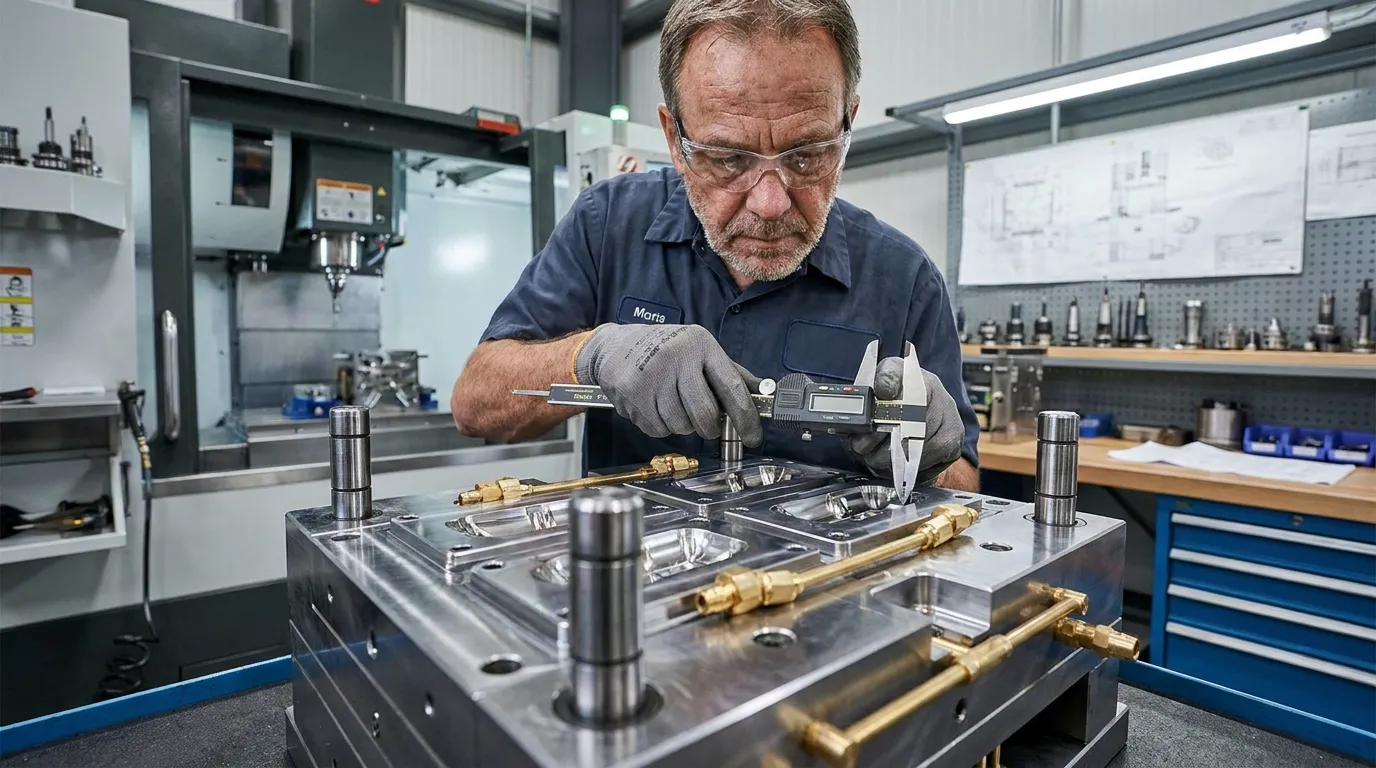
Plastic mold costs and lead times depend on mold complexity, 金型材料, part tolerances, 検証要件, and late-stage design revisions. Complex production molds can require several weeks longer than prototype tooling.
Mold cost is shaped by both engineering complexity and production expectations. 空洞, 冷却システム, 表面仕上げの要件, and automation features all increase tooling time and machining requirements.
Steel tooling generally costs more than aluminum tooling, but it lasts longer and handles larger production volumes. Aluminum molds may work well for prototypes or smaller production runs where durability is less important.
What increases mold costs and delays?
- マルチキャビティ金型
- 厳密な公差
- 外観仕上げ
- 加工開始後の設計改訂
- 複雑な冷却システム
- 検証およびテスト要件
- 輸送および通関の遅延
Late-stage design changes are one of the biggest causes of schedule overruns. A tooling project can lose weeks if gate placement or wall thickness changes after machining begins. Fast mold delivery is not always a positive sign either. Aggressive tooling schedules sometimes reduce DFM review time, increasing revision risk later.
次の通りです アプリオスのリードタイム概要, production tooling timelines can extend significantly depending on complexity and validation needs.
International shipments can also affect scheduling. Mold bases and tooling classifications may influence customs handling and documentation requirements, especially for imported tooling systems. FreightAmigoのHSコードガイド explains how mold base classifications are commonly handled in shipping documentation.
If you want a deeper breakdown of tooling structures and engineering considerations, これだ 型の部品概要 covers the core systems inside production molds.
When is injection molding the best long-term choice?
Injection molding becomes the strongest long-term option when production volumes increase, 公差が厳しくなる, and repeatability matters. Although tooling costs are higher upfront, per-part costs usually decrease significantly at scale.
Injection molding works best when consistency and scalability are critical. Automated production, stable cycle times, and precise repeatability make it the preferred process for many medical, 自動車, and electronics applications.
A company producing 20,000 prototype parts may not recover the full value of hardened production tooling immediately. A manufacturer planning millions of cycles across several years usually will. The long-term economics improve as output increases.
| 生産目標 | ベストオプション |
|---|---|
| 高い外観品質 | 射出成形 |
| 厳格な公差要件 | 射出成形 |
| 長い生産期間 | 鋼射出金型 |
| 中空包装製品 | ブロウ成形 |
| 熱硬化性工業部品 | 圧縮成形 |
The plastics industry continues to invest heavily in automated molding systems because repeatability and throughput remain major competitive advantages. モルドール・インテリジェンス市場分析 highlights ongoing growth in plastic processing machinery demand across manufacturing sectors.
スケーラブル生産を評価する企業は、しばしば カスタム射出成形 once product demand stabilizes and long-term manufacturing forecasts become clearer.
What should buyers ask before ordering a plastic mold?
Choosing a mold supplier involves more than comparing quotes. Buyers should confirm tooling ownership terms, 工学支援, 品質システム, and maintenance expectations before approving production.
A supplier with strong DFM support can often prevent expensive revisions before tooling begins. That matters more than rushing through early approvals to save a few days.
工具注文前の買い手チェックリスト
- Who owns the mold after production?
- Is DFM analysis included before machining?
- What quality inspection process is used?
- Are spare mold components available?
- How are engineering revisions managed?
- What is the expected tooling lifespan?
- Does the supplier provide mold maintenance support?
Tooling reliability also depends on internal components such as guide systems, エジェクター, and bushings. Buyers reviewing tooling durability can learn more about 型ピンとブッシング and how these systems affect mold performance over time.
次のステップを正しく進める
The best plastic mold process depends on your product, 生産量, 許容差要件, and long-term manufacturing goals. Injection molding usually delivers the strongest combination of precision, 再現性, そしてスケーラビリティ, but it is not the right fit for every application.
Start by evaluating product geometry first. Hollow containers usually point toward blow molding, while thermoset industrial parts may fit compression molding better. If your project requires consistent quality across high production volumes, injection molding often becomes the most practical long-term investment.
よくある質問
What is a plastic mold used for?
A plastic mold is used to shape heated or molten plastic into repeatable parts and products. Manufacturers rely on molds to produce consistent components for automotive, 医療, industrial, and consumer applications.
What is the difference between injection molding and blow molding?
Injection molding creates solid or highly detailed plastic parts, while blow molding forms hollow products such as bottles and containers. The tooling design and production method are different for each process.
Which plastic molding process is best for high-volume production?
Injection molding is usually the best option for high-volume production because it supports automation, fast cycle times, and repeatable quality. Higher tooling costs are often balanced by lower per-part costs over time.
How long does it take to make a mold tool?
Mold tooling timelines depend on complexity, キャビティカウント, 材料選定, および検証要件. Production molds often require several weeks or longer, especially when revisions or testing stages are involved.
Is steel tooling better than aluminum tooling?
Steel tooling usually provides better durability, 再現性, and longer production life. Aluminum tooling can reduce upfront cost for prototypes or smaller production runs where long-term wear is less critical.
What increases plastic mold costs?
型の複雑さ, キャビティカウント, 表面仕上げの要件, 厳密な公差, and engineering changes can all increase tooling costs. Shipping delays and late-stage design revisions may also extend project timelines.



サンシャインより書かれました
サンシャインで, 私たちは精密金型部品の専門製造およびサプライヤーです, プレスおよび射出成形用途向けの幅広い製品を提供しています. 私たちの主な焦点はパンチダイスです, イジェクターピンとスリーブ, ガイドポストとブッシング. 高度なCNC加工技術で, 厳格な品質管理, そして強力な生産能力, 私たちは信頼性を保証しています, 高精度部品, また、迅速かつ効率的なグローバル供給のための在庫の標準部品も併用しています.
ニュース
サービスを受けましょう
あらゆる予算に合った高品質な部品と、親切なスタッフが訓練されていて、訪問を有益で手間なく充実させてくれます.
