



射出成形表面仕上げ: 規格, オプション, およびコスト影響
Injection mold surface finish controls the texture, グロス, and roughness transferred to plastic parts during molding. SPI finishes are commonly used for polished cosmetic surfaces, while VDI finishes work well for matte and textured parts. The right finish affects appearance, 射出, scratch visibility, 型の摩耗, および工具コスト, so finish selection should balance cosmetic goals with manufacturability and production efficiency.
A mold surface finish does more than change how a part looks. It can affect release force, scratch resistance, polishing time, and even how long the mold lasts in production. Choosing the wrong finish often leads to higher tooling cost or avoidable cosmetic problems. This guide explains how SPI and VDI finishes work, when to use them, and how to match the finish to your product and production goals.
What is an injection mold surface finish?
Injection mold surface finish defines the texture and roughness transferred from the mold cavity to the plastic part. The selected finish affects product appearance, scratch visibility, ejection performance, 型の摩耗, および工具コスト.
Every molded plastic part copies the condition of the mold cavity surface. A highly polished cavity creates a glossy appearance, while a textured cavity creates a matte or patterned finish. Surface finish also changes how the part interacts with the mold during ejection.
Smooth finishes often look premium, especially for consumer products. They also make scratches and fingerprints easier to see. Textured finishes usually hide wear better and improve grip, which is why they are common in automotive interiors and industrial housings.
Finish selection also affects manufacturing time. Mirror-polished surfaces require more machining, 研磨, および検査作業. That increases tooling cost and maintenance requirements over the mold's lifecycle.
If you want a broader overview of mold construction and tooling systems, サンシャインプロズ 完全プラスチック射出成形ガイド explains the larger mold engineering process in more detail.
また、 型製造段階 that influence final surface quality.
What do SPI and VDI surface finish standards mean?
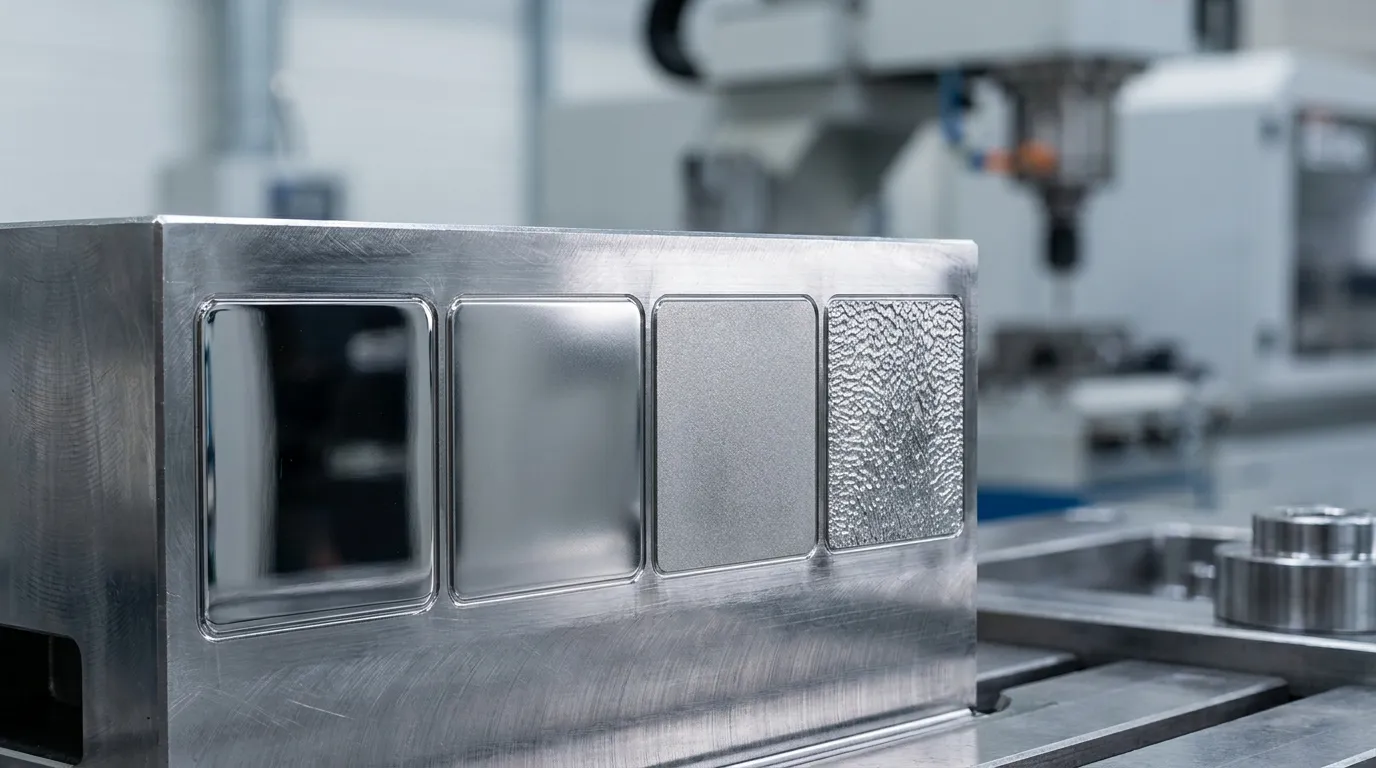
SPI standards classify polished mold finishes from high-gloss A grades to textured D grades, while VDI 3400 uses EDM texture scales for matte and textured surfaces. SPI is commonly used for polished cosmetic parts, while VDI is preferred for textured industrial finishes.
Most injection mold surface finish specifications use either SPI or VDI standards. SPI stands for Society of the Plastics Industry and focuses on polished finishes. VDI 3400 is commonly used for textured EDM surfaces.
次の通りです フィクティブのSPIフィニッシュガイド および エンジニアリングプロダクトデザインの表面仕上げリファレンス, SPI grades range from highly polished mirror finishes to rough textured surfaces.
SPIの成績解説
| SPIグレード | 外見 | Typical Use | 相対コスト |
|---|---|---|---|
| SPI A1-A3 | ミラーグロス | Optical parts, premium cosmetics | 最高位 |
| SPI B1-B3 | セミグロス | 消費者向け住宅 | 中〜高 |
| SPI C1-C3 | マット | ユーティリティコンポーネント | メディア |
| SPI D1-D3 | テクスチャー付き | 工業部品 | 下 |
Mirror-polished SPI A finishes are not automatically the best option. They work well for optical clarity and premium cosmetics, but they also reveal fingerprints, scratches, and molding defects more easily.
VDIテクスチャグレードの説明
| VDIレンジ | テクスチャレベル | 典型的な用途 |
|---|---|---|
| VDI 12-18 | ファインマット | 消費財 |
| VDI 21-27 | ミディアムテクスチャー | 自動車用トリム |
| VDI 30-45 | 厚いテクスチャー | 工業用住宅 |
VDI textures are often created through EDM, または電気放電加工. These finishes work well when products need grip, reduced glare, or better scratch masking.
How does surface finish affect appearance, 摩擦, および射出?
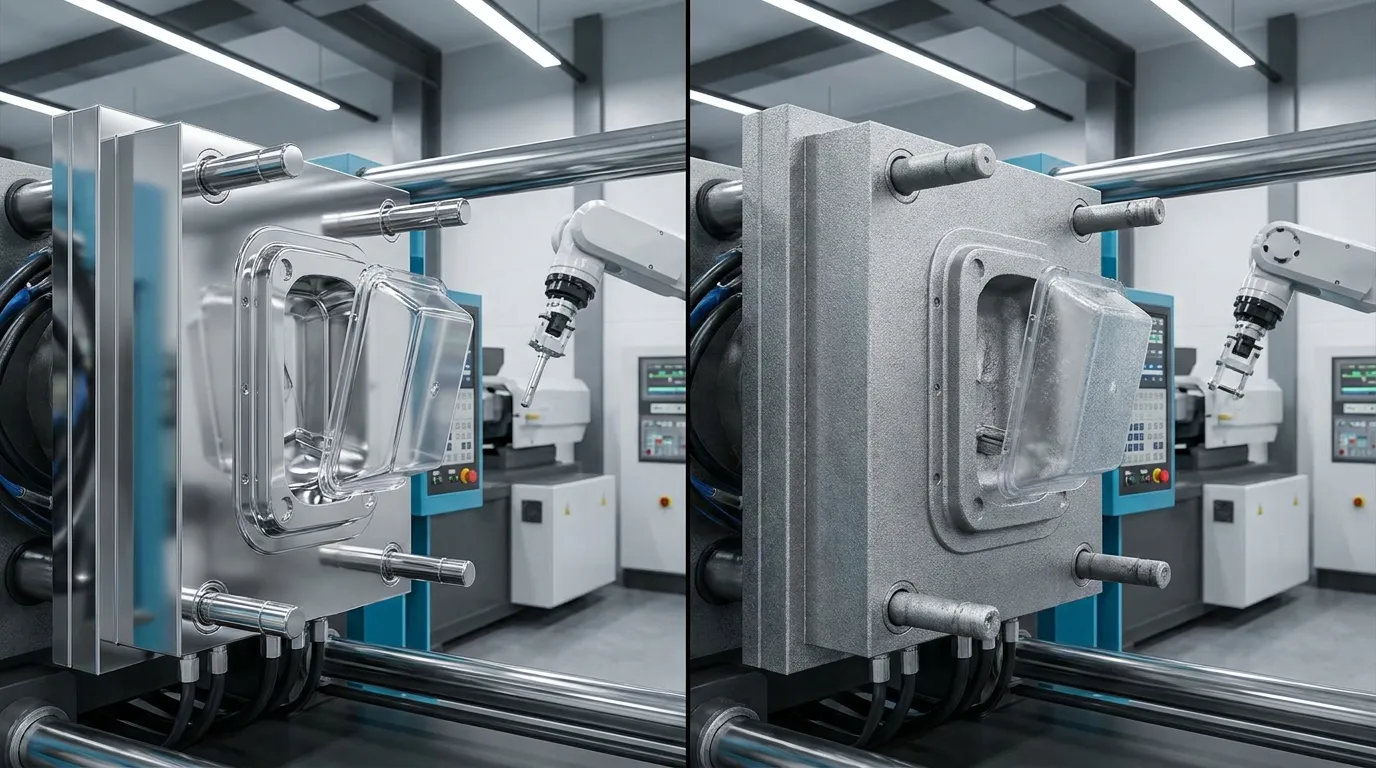
Surface finish affects more than appearance. High-gloss finishes can increase sticking and reveal scratches, while textured finishes may improve grip and hide defects but often require larger draft angles for smooth ejection.
Surface finish changes how the molded part behaves inside the cavity. Smooth polished surfaces create more contact area between the plastic and steel. In some materials, that increases friction during ejection.
Textured surfaces break up contact points and can help reduce visible drag marks. They also hide sink marks, fingerprints, and minor cosmetic defects better than polished surfaces. This is one reason automotive interiors often use textured finishes instead of mirror gloss.
次の通りです ニコレプラスチックスの表面仕上げ概要, finish selection should match both appearance goals and molding performance requirements.
なぜテクスチャのある表面はもっと強いドラフト角度が必要なのか
Textured molds usually require more draft because the plastic grips the cavity surface more aggressively during ejection. Deeper textures create more mechanical resistance, especially with softer materials.
| 仕上げタイプ | 典型的なドラフトニーズ | 射出リスク |
|---|---|---|
| 高いポリッシュ | 低流の可能性があります | スティックリスク |
| 軽いテクスチャー | 中程度の徴兵 | バランス |
| 深いテクスチャー | より高いドラフトが必要 | 抵抗痕の可能性もあります |
A nylon-filled industrial housing is a good example. One manufacturer selected an aggressive texture to improve grip, but the original draft angle was too low. Parts started sticking during ejection, which caused visible drag marks and slower cycle times. Increasing the draft solved the issue without changing the resin.
If you're evaluating textured finishes, サンシャインプロズ ドラフト角のガイドライン can help you avoid release problems early in the design stage.
Which finish should you choose for different product types?
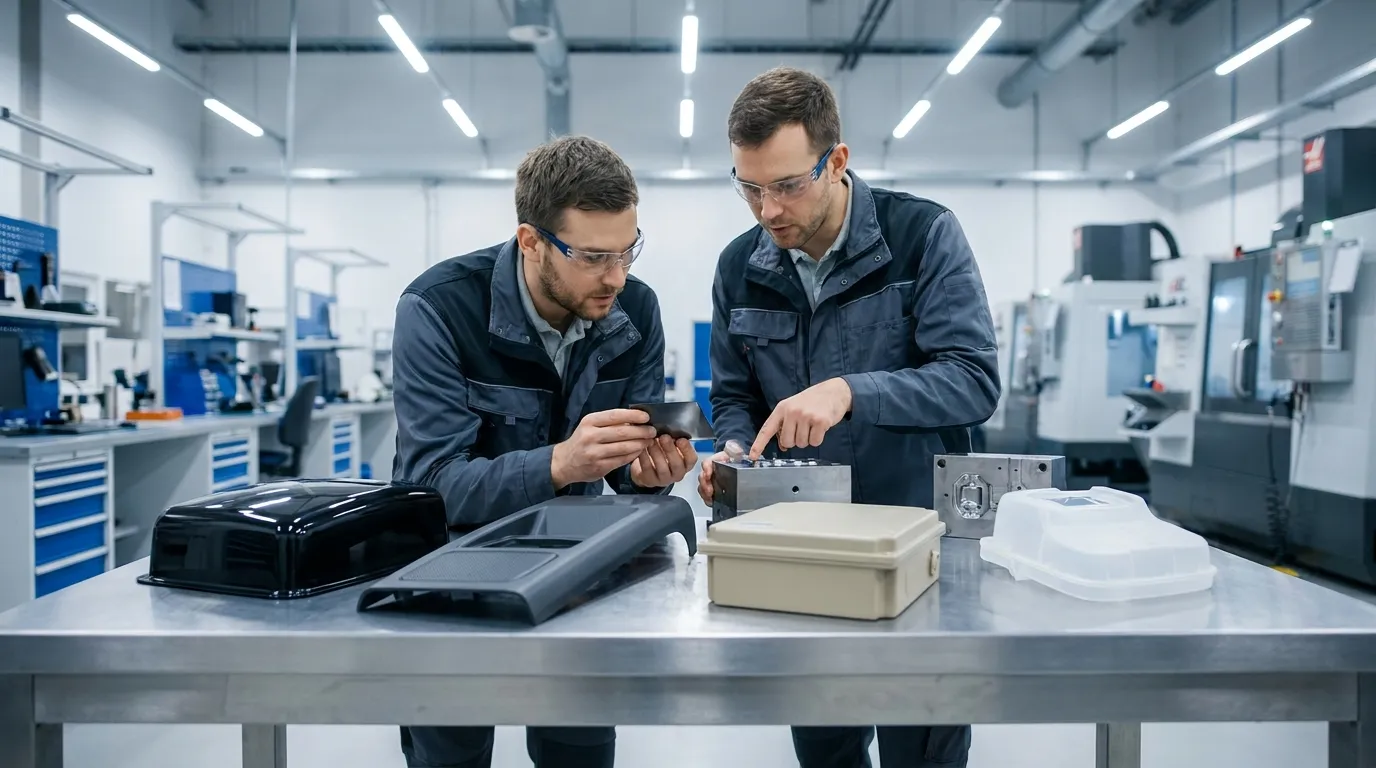
The best injection mold surface finish depends on the product’s appearance requirements, handling conditions, および生産目標. High-gloss SPI A finishes suit cosmetic consumer products, while textured VDI finishes often work better for grip, scratch resistance, and industrial durability.
The right finish depends on how the product is used after molding. A cosmetic electronics housing needs different surface behavior than an industrial bracket or medical enclosure.
Textured finishes are often the safer choice for frequently handled products because they hide cosmetic wear better and reduce visible handling marks over time.
製品タイプ別の仕上げ選択
| 製品タイプ | 推奨仕上げ | 主な理由 |
|---|---|---|
| 民生用電子機器 | SPI A2またはB1 | プレミアムな外観 |
| 自動車内装トリム | VDI 24-30 | まぶしさや傷隠しの軽減 |
| 医療用囲い | SPI Bフィニッシュ | 中程度の光沢で掃除が楽です |
| 工業用住宅 | VDIテクスチャ | 耐久性とグリップ |
| 内部構造部品 | SPI C仕上げ | 金型コストの削減 |
A consumer electronics company provides a common example. Their first housing design used a mirror-polished SPI A finish because the product needed a premium look. After production launch, fingerprint complaints increased. The manufacturer switched to a fine VDI texture that reduced visible smudges without changing the mold geometry.
For broader manufacturability planning, サンシャインプロズ DFMの決定 guide explains how cosmetic choices affect tooling and production efficiency.
How much does surface finish increase mold cost?
Surface finish can significantly change mold cost because high-polish cavities require additional machining, hand polishing, 検査, およびメンテナンス. Mirror finishes usually increase tooling time and should only be specified when appearance or optical clarity truly requires it.
High-gloss polishing adds labor at several stages of mold production. Toolmakers often need multiple polishing passes, finer abrasives, and extra inspection work to remove small surface defects.
次の通りです BECグループの射出成形表面仕上げガイド, finish-related manufacturability decisions can strongly affect tooling cost and lead time.
なぜミラーポリッシュは金型時間を増やすのか
Mirror polishing is slow because every small machining mark must be removed manually. Highly polished cavities also require careful maintenance to preserve surface quality during long production runs.
| 仕上げタイプ | 相対的な工具時間 | メンテナンス需要 |
|---|---|---|
| SPI A ミラーポリッシュ | 最高位 | ハイ |
| SPI Bセミグロス | 中程度 | メディア |
| SPI C マット | 下 | 下 |
| VDIテクスチャ | 中程度 | メディア |
Many manufacturers over-specify high-gloss finishes even when the part is rarely visible. そういう場合, a lower-cost matte finish often improves manufacturability without affecting product value.
An industrial bracket project shows this clearly. The original design specified a polished finish for hidden internal components. 審査後, the tooling team switched to a matte SPI C finish. That reduced polishing labor and shortened mold delivery time without changing part performance.
If you are comparing tooling budgets, サンシャインプロズ 工具コスト係数 article explains how mold complexity, finish level, and cavity design influence pricing.
Which finishes work best with different plastic materials?
Different plastics respond differently to polished and textured surfaces. Resin behavior affects gloss consistency, scratch visibility, and release performance.
| 素材 | 最良の仕上げタイプ | 共通の懸念 |
|---|---|---|
| ABS | SPIAまたはB | 光沢面の指紋 |
| Polycarbonate (PC) | SPI A | 光学的クリアリティ要件 |
| Polypropylene (PP) | SPI B または VDI | 表面ディテールのシャープネスが低い |
| ナイロン | SPI C またはテクスチャ | 排莢抵抗 |
| ガラス充填樹脂 | マットかテクスチャか | 研磨性充填剤による型の摩耗 |
Filled materials deserve extra attention. Glass-filled plastics can wear polished cavities faster because the reinforcement fibers are abrasive. In many industrial applications, matte or textured finishes hold up better over long production runs.
Medical equipment housings often use semi-gloss finishes instead of mirror polish. The moderate gloss level keeps surfaces easier to clean without adding unnecessary polishing cost.
欠陥やコストを増やす一般的な表面仕上げミス
Many mold finish problems start with over-specification. Choosing a high-gloss finish without considering resin behavior, draft angle, or production wear can increase tooling cost while creating avoidable cosmetic and ejection issues.
The most common mistake is selecting a finish based only on appearance. Cosmetic goals matter, but finish selection also affects mold release, メンテナンス, 生産の安定性.
Another frequent problem is choosing texture too late in the design process. Adding texture after draft angles are finalized can create sticking issues or visible drag marks during ejection.
表面仕上げチェックリスト
- 仕上げレベルと実際の製品の可視性を合わせる
- テクスチャのある表面のドラフト角を大きくする
- 研磨レベルを承認する前に樹脂の互換性を確認してください
- 見た目が必要でない限り、ミラーポリッシュは避けてください
- 長期的なメンテナンスや摩耗を考慮してください
- 図面の外観優先ゾーンを確認する
A textured automotive trim panel is a practical example. The original design used a polished finish that reflected sunlight strongly inside the vehicle cabin. Switching to a medium VDI texture reduced glare and hid scratches from daily use.
SunshineProのレビューはできます 工具レビュープロセス to understand how finish decisions should be evaluated before tooling approval.
How should you specify mold surface finish on engineering drawings?
Clear finish specifications reduce supplier confusion and help maintain cosmetic consistency across production runs. The drawing should identify both the finish standard and the exact surface areas where the finish applies.
Most manufacturers use SPI or VDI callouts directly on the engineering drawing. Cosmetic priority zones should also be labeled clearly so the mold maker knows where appearance matters most.
表面仕上げ仕様チェックリスト
- 図面に直接SPIまたはVDI仕上げグレードを指定してください
- 化粧品の表面をはっきりとマークしてください
- テクスチャ付きゾーンとポリッシュゾーンを別々に識別してください
- テクスチャー付き表面のドラフト要件を確認する
- 最終承認前に樹脂の適合性を確認しましょう
- 仕上げの期待を工具予算と一致させる
A good specification process prevents expensive revisions later. Small changes in texture depth or gloss level can affect polishing time, 維持管理の取り組み, そして生産の一貫性.
For broader mold planning guidance, サンシャインプロズ 型の仕様レビュー resource explains how design decisions affect tooling performance and manufacturability.
次のステップを正しく進める
The best injection mold surface finish balances appearance, production efficiency, そして長期的な耐久性. A polished surface may improve cosmetic appeal, but it can also increase tooling cost and reveal scratches more easily. Textured finishes often perform better in high-contact applications where grip and wear resistance matter more than gloss.
Before approving a finish, review the resin type, product visibility, draft angle, and tooling budget together. A practical finish decision early in the design stage usually prevents expensive mold revisions and production problems later.
よくある質問
What is SPI finish in injection molding?
SPI finish is a standardized mold surface classification system used for injection molded parts. The grades range from high-gloss polished finishes to textured matte finishes, helping manufacturers define cosmetic and functional surface requirements clearly.
What is the difference between SPI and VDI finishes?
SPI finishes mainly describe polished surface quality, while VDI finishes are commonly used for textured EDM surfaces. SPI is often selected for cosmetic gloss, while VDI works better for matte textures and industrial products.
Does textured finish require more draft angle?
はい, textured finishes usually require larger draft angles to help parts release cleanly from the mold. Deeper textures create more surface resistance, which increases the risk of drag marks during ejection.
Which injection molding finish hides scratches best?
Matte and textured finishes generally hide scratches, fingerprints, and small cosmetic defects better than mirror-polished surfaces. Highly polished parts tend to show handling wear more easily during daily use.
Do polished molds cost more?
はい, polished molds usually cost more because they require additional machining, hand polishing, 検査, and maintenance work. Mirror-polished cavities can also increase tooling lead time and long-term maintenance effort.
What finish is best for consumer electronics?
Consumer electronics often use SPI A or SPI B finishes when a premium cosmetic appearance matters most. Fine VDI textures may work better when fingerprint resistance and grip are higher priorities than high gloss.



サンシャインより書かれました
サンシャインで, 私たちは精密金型部品の専門製造およびサプライヤーです, プレスおよび射出成形用途向けの幅広い製品を提供しています. 私たちの主な焦点はパンチダイスです, イジェクターピンとスリーブ, ガイドポストとブッシング. 高度なCNC加工技術で, 厳格な品質管理, そして強力な生産能力, 私たちは信頼性を保証しています, 高精度部品, また、迅速かつ効率的なグローバル供給のための在庫の標準部品も併用しています.
ニュース
サービスを受けましょう
あらゆる予算に合った高品質な部品と、親切なスタッフが訓練されていて、訪問を有益で手間なく充実させてくれます.
